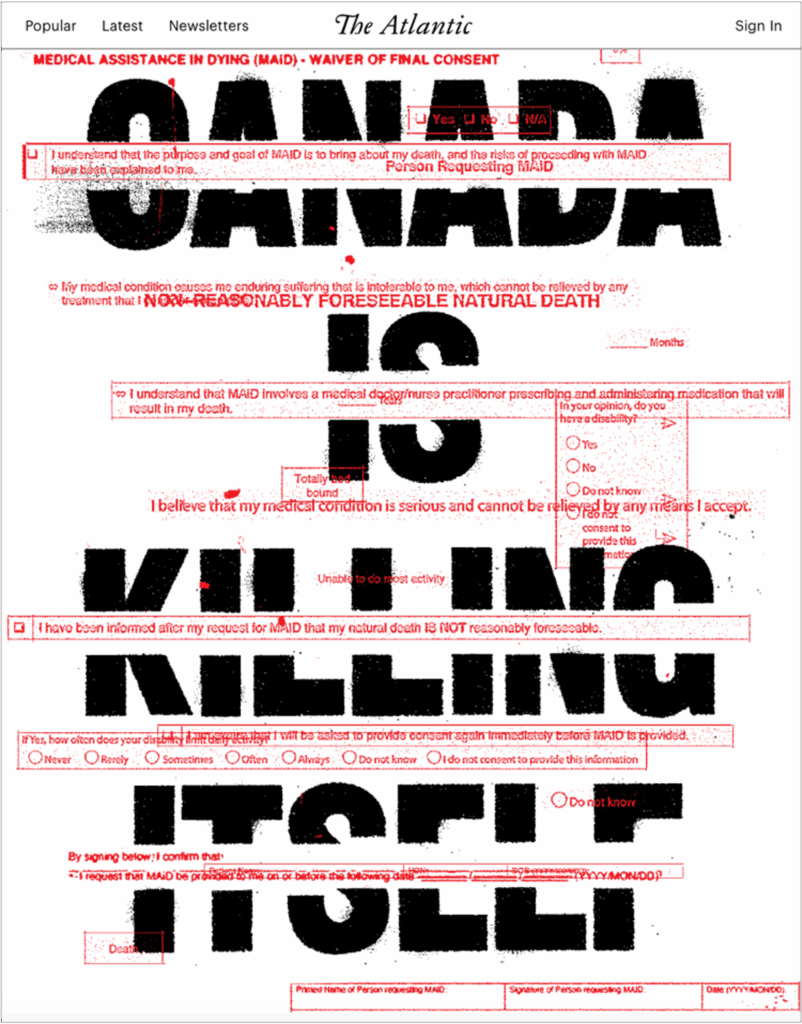
 The spotlight’s glare: The Atlantic’s September 2025 story on Canada’s experience with Medical Assistance in Dying (MAID) renewed focus on the program’s most controversial elements, including a proposal from Quebec to include infants.
 The Quebec Model
The CMQ’s trial balloon referred to in The Atlantic article came during the October 2022 appearance of Quebec doctor Louis Roy before the Parliament of Canada’s Special Joint Committee on Medical Assistance in Dying, which was tasked with examining several proposals to expand access to MAID beyond adults with terminal illnesses. Potential changes included offering MAID to those suffering a purely mental illness, making it available to so-called “mature” minors, and allowing individuals to file advance requests for MAID ahead of any certifiable physical or mental disease.
But Roy’s report went even farther. He testified that his Quebec colleagues had also considered applying MAID to “babies from birth to one year of age who come into the world with severe deformities and very serious syndromes for which the chances of survival are virtually nil, and which will cause so much pain that a decision must be made to not allow the child to suffer.” Reading the transcript back, it seems striking that no one on the committee questioned Roy about his organization’s willingness to sanction the medical killing of infants.
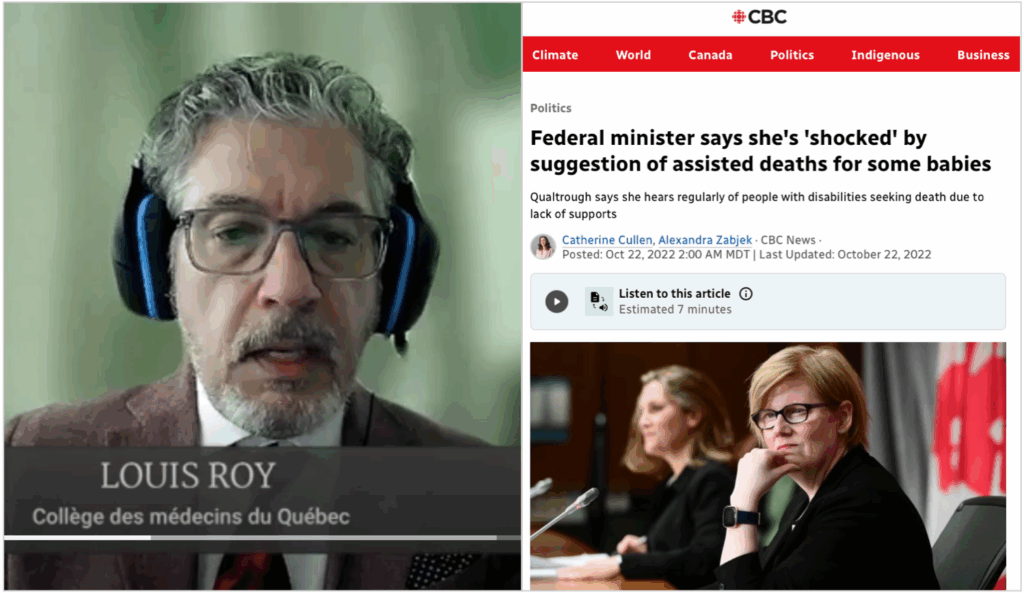
But if baby MAID proved uninteresting to committee members, the media felt differently. In the days after Roy’s appearance in Ottawa, it seemed as if all of Canada had become momentarily galvanized in revulsion at the idea of state-approved baby-killing. Not just conservative outlets such as the National Post and The Catholic Register but also CBC, whose headline screamed, Federal minister says she’s ‘shocked’ by suggestion of assisted deaths for some babies. The federal minister in question was Carla Qualtrough, the Justin Trudeau government’s Minister of Diversity, Inclusion and Persons with Disabilities, who is legally blind. “There is no world where I would accept that,” Qualtrough told CBC Radio of the proposal to allow parents to have their disabled baby killed by doctors.
By late 2022, Canada had over six years’ experience with MAID for patients whose death was “reasonably foreseeable”, as well as 18 months of newly approved “Track 2” cases, which do not require the apprehension of imminent death. Stories of the collateral damage wreaked by this policy change were legion. Only a few months prior to Roy’s committee appearance, for example, Canadians were shocked by the story of a 51-year-old Ontario woman who had requested – and received – MAID because her housing benefits prevented her from moving to an apartment that could accommodate her crippling allergies. A Spectator article entitled Why is Canada euthanizing the poor? brought such allegations to an international audience – and proved to be the prestigious British magazine’s most-read story of the year.
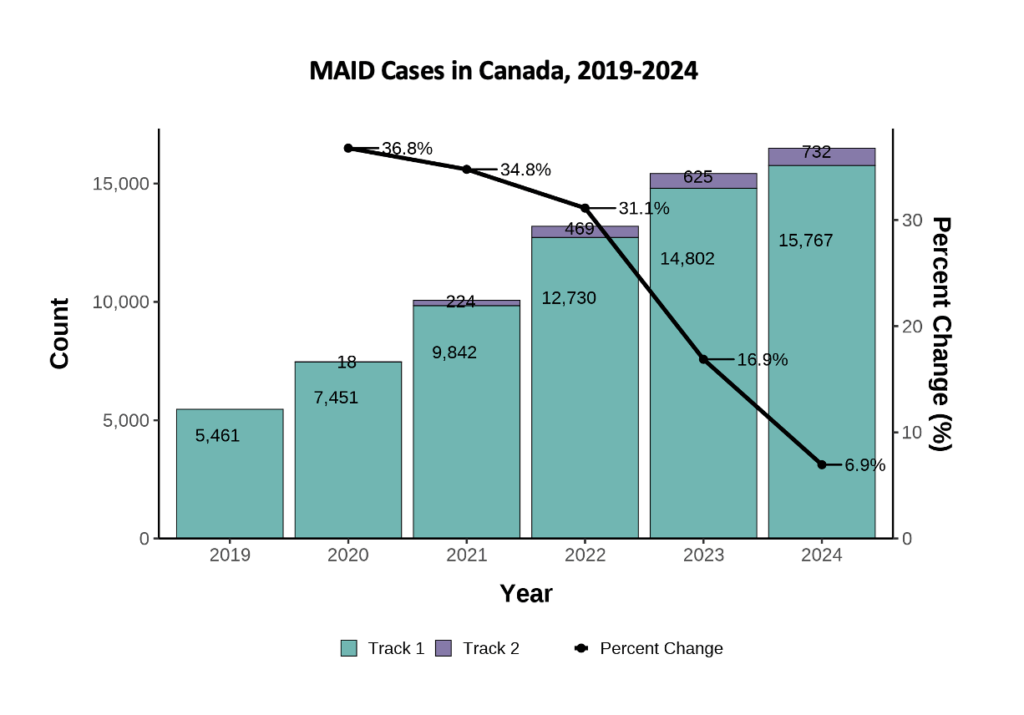
The evidence keeps piling up. The 2024 data on Canada’s MAID program, released late last month, reveals that it now accounts for over five percent of deaths in the country. Last year 16,499 Canadians were euthanized, up by seven percent over 2023. Since it was made legal in 2016, MAID has caused over 76,000 deaths in Canada, with Quebec accounting for a disproportionately large share. (Curiously enough, the program is also striking for its lack of diversity; among applicants who provided their racial identity, 96 percent were white.)
From this perspective, a Quebec doctor’s musings about expanding MAID to cover infants – who, it must be noted, have no ability to consent to their own death as is required for everyone else currently “eligible” for MAID – was yet more evidence of a country sliding down the slippery slope critics had warned about when MAID was first proposed.
A month after Roy’s polarizing appearance, CMQ President Mauril Gaudreault attempted to tamp down the controversy or, as he put it, “reset the clock.” Testifying before the special committee, he made note of the hubbub that followed Roy’s presentation. “Even the federal minister of disability inclusion, Carla Qualtrough, was upset when we explained the Collège’s position on zero to one-year-old babies to her,” he admitted. Still, it’s nothing to get worked up about, he argued. “The Collège never mentioned euthanasia for babies, nor the idea of administering medical aid in dying, without the consent of parents,” Gaudreault said reassuringly. “What it did say was that it was an avenue to be explored and that the suffering of parents also had to be taken into account.”
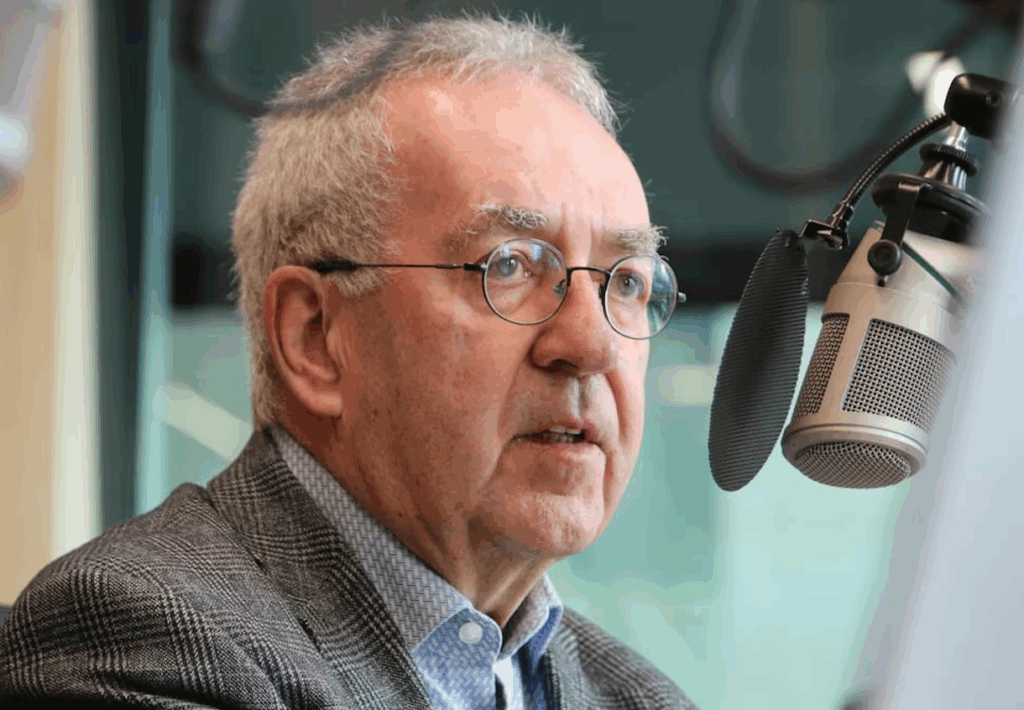
Gaudreault then added, quite chillingly: “Medical assistance in dying is a form of care. It’s a medical procedure that may be appropriate in certain circumstances. It is not a matter of politics, morality or religion, but rather a medical matter.” To paraphrase: Quebec doctors are not currently killing babies. But they might in the future – though, they promise, not in secret. And if they do, the decision will be merely a medical issue with no moral quandaries to worry about.
How Far Will Canada Go?
When the special parliamentary committee issued its final report in February 2023, MAID for infants wasn’t among the listed recommendations. Attention instead shifted to a proposal that the Criminal Code of Canada be amended to allow for advance directives and that eligibility be extended to mature minors, or what are termed “12-plus”. Talk of killing babies legally in Canada largely disappeared until The Atlantic article appeared this fall. Plott Calabro’s one-line observation on infant MAID was then taken up by the U.K.’s Daily Mail. The paper’s U.S. correspondent dutifully contacted the CMQ to see if the organization’s position had changed since 2022.
It had. A statement the CMQ provided to the British tabloid goes much further than Roy or Gaudreault initially hinted at three years ago. No longer an idea to be “explored”, Quebec’s doctors told the Daily Mail they now believe “medical assistance in dying may be an appropriate treatment for babies suffering from extreme pain that cannot be relieved and who have severe malformations or serious polysymptomatic syndromes that destroy any prospect of survival.” Further, “The CMQ believes that parents should have the opportunity to obtain this care for their infant under these well-defined circumstances.”
So how close is Canada really to a euthanasia protocol for babies?

Among pro-life activists, infant MAID is not a pressing issue, mainly because Roy’s trial balloon received such a negative response in 2022. “Given the backlash, I haven’t really heard people talking about MAID for babies,” says Amanda Achtman, an ethics educator and advocate with Canadian Physicians for Life, in an interview. From Achtman’s perspective, the real action lies in dealing with the special committee’s concrete proposals, namely, the expansion of MAID to teen-agers and allowing advance requests in provinces other than Quebec, where such things are already possible.
Journalist Terry O’Neill has spent the past five years submitting Access to Information requests to BC Health regarding MAID statistics and protocols and then reporting on what he finds. He agrees with Achtman about the most newsworthy developments in the area. But considering the source of the infant proposal, he warns, nothing is off the table. “Quebec is always the first one,” O’Neill observes in an interview. “They were the first ones out of the gate [with MAID], and then they were the first ones with advance directives. So, we ignore this at our peril.”
The province’s habit of overlooking national laws or standards, O’Neill warns, means that mere federal reluctance won’t prevent it from happening. “With advance directives, Quebec simply decided they were going to ignore the Criminal Code of Canada,” he points out. “‘We’re going to tell our prosecutors not to prosecute,’ is their approach.” Given the province’s sangfroid about Canadian law, O’Neill worries, “They could very easily say, ‘We’re going to tell our prosecutors not to prosecute infanticide if it seems to be reasonable,’ given whatever criteria they want to come up with, that this is a life not worth living.”
MAID for Canadian babies clearly remains a possibility.
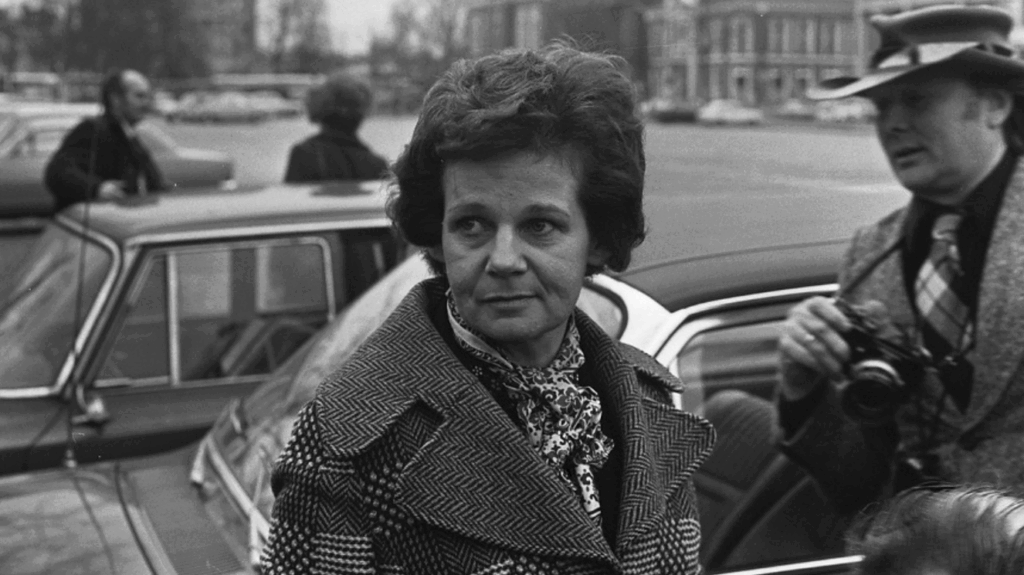 Ground zero: Beginning with the landmark Postma court case, the Netherlands gradually established a legislative framework for euthanasia that now covers everyone from birth to infirmity. Shown, Truus Postma, a doctor who was put on trial and eventually acquitted in 1973 for assisting in the death of her terminally-ill mother. (Source of photo: Bert Verhoeff/Anefo; National Archives of the Netherlands)
Verhagen’s 2005 report admits the obvious fact that babies cannot tell you whether they are experiencing “unbearable” suffering. But, he insists, there are signs: “Pain scales for newborns, based on changes in vital signs (blood pressure, heart rate, and breathing pattern) and observed behavior, may be used to determine the degree of discomfort and pain.” Doctors then must infer that the patient is suffering unbearably. Verhagen cited a study of 22 cases of newborn euthanasia between 1997 and 2004. All 22 babies suffered from spina bifida. According to the treating physicians, each suffered “hopelessly and unbearably”.
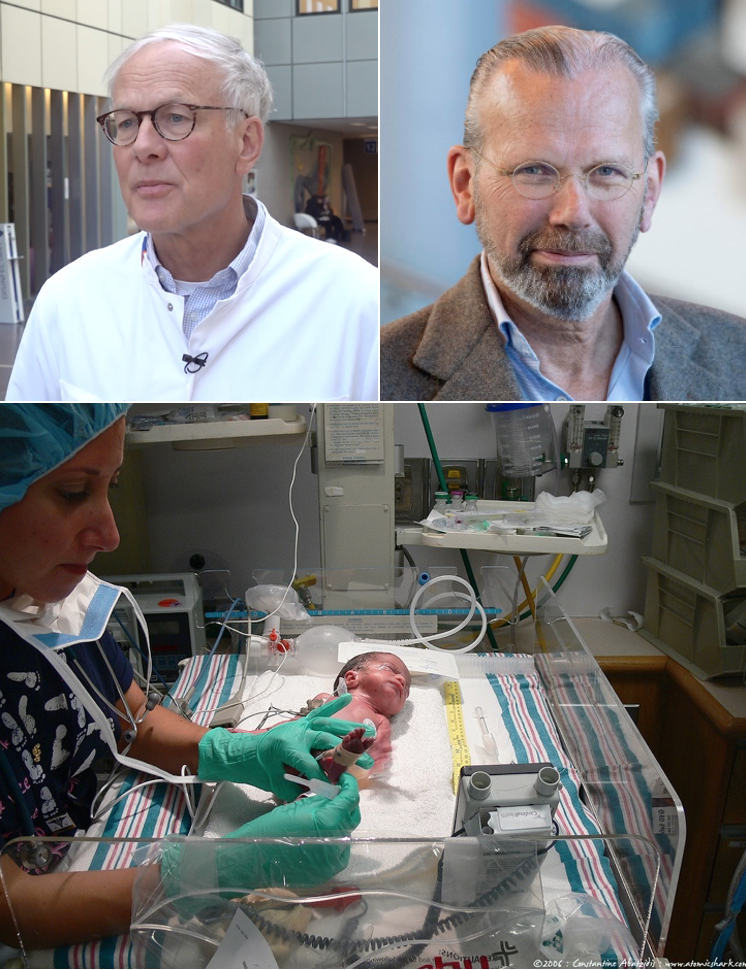
Yet not everyone agrees with the Groningen Protocol. Other Dutch medical experts responded in a subsequent journal article that babies with spina bifida do not suffer unbearable or untreatable pain. The authors from the Erasmus University Medical Center in Rotterdam argued that the infants in question were euthanized not because of pain they directly experienced in their first weeks of life, but because the doctor and parents were looking ahead to months or years of possible suffering. Van Loenen’s book quotes ethicist Erwin Kompanje, lead author of the response article: “Here at the Erasmus Medical Center we have never performed euthanasia on a baby with spina bifida…I am all for active termination of life in the case of acute, actual and untreatable suffering. But two paralyzed legs? No, that is no reason to end a life.”
Even the strongest advocates of legalized infanticide acknowledge the moral ambiguities in determining what constitutes intolerable pain in a baby and whether requests from a parent ought to outweigh the infant’s unspoken desire for life. In a 2024 paper, Verhagen warned against accepting the notion of “a ‘quick and easy’ euthanasia” at the behest of parents seeking “to avoid the burden of caring for a severely impaired child.” Such a situation replaces any pain felt by the patient with the discomfort of their caregiver – a completely different thing from alleviating “hopeless and unbearable” pain.
It is worth noting that Verhagen’s 2024 article was prompted by the Netherlands’ recent expansion of MAID eligibility to include children beyond infanthood but younger than adults. As a result, the country’s entire population, from birth to infirmity, can now access – or be subjected to – assisted suicide. It seems a gruesome twist on the adage “leave no one behind.”
A Nazi Innovation (But Don’t Mention That)
The Dutch experience is clearly germane to the issue of MAID for infants in Canada. But as Plott Calabro controversially pointed out in her Atlantic article, Holland was not the first country to introduce the legalized killing of children with disabilities. “Euthanasia for infants born with ‘severe malformations,’” she wrote, is “a rare practice currently legal only in the Netherlands, the first country to adopt it since Nazi Germany did so in 1939.” [Emphasis added]
The closing words of that sentence so incensed CAMAP, the organization representing MAID providers in Canada, that it issued a press release blasting Plott Calabro for “biased reporting” and The Atlantic for a “lack of standards”. CAMAP failed to respond to C2C Journal’s request for an explanation of the ways in which the story was misleading or factually incorrect.
But in a long post on Substack, nurses Paul Magennis and Kim Carlson from the advocacy group MAiD in Canada offer useful detail on the objections of MAID proponents to the article, most of which concern word choice. They particularly dislike the use of “euthanasia” instead of the official euphemism “medical assistance in dying”. “When that vocabulary is paired with rhetoric invoking ‘killing,’ ‘Nazis,’ or similarly inflammatory language choices, it is usually a reliable indicator of the author’s stance,” the pair write.
There is certainly a wealth of examples where using “Nazi” to describe a particular policy or political figure is factually wrong and/or gratuitously inflammatory. But MAID for babies is not one of those cases. Plott Calabro’s statement is provably true. In fact, Nazi Germany’s infamous baby-killing project actually began as an alleged act of mercy by the state on behalf of parents – just as it did in the Netherlands, and as is being proposed by Quebec doctors today.
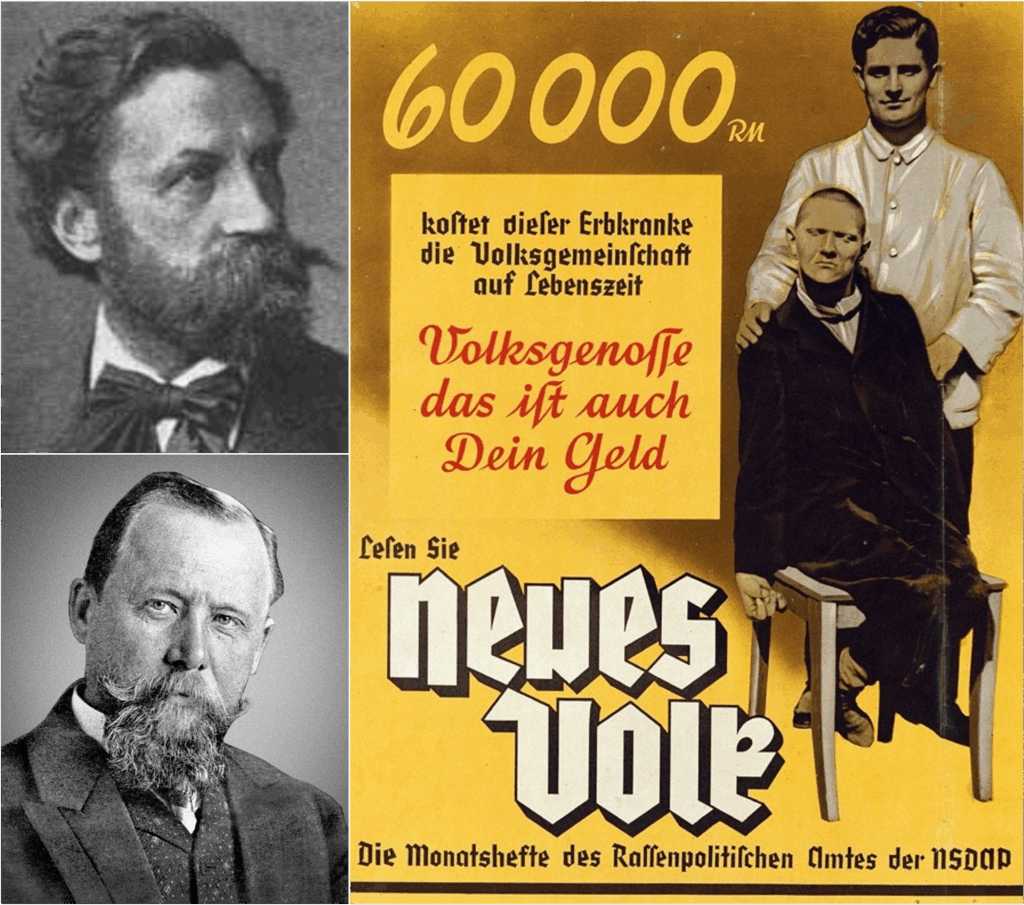
In 1920, prominent jurist Karl Binding and psychiatry professor Alfred Hoche, both of the University of Leipzig, published a short volume entitled, “The Permission to Destroy Life Unworthy of Life.” In it, they argued that ending a Lebensunwertes Leben (“a life unworthy of life”) was both therapeutic and compassionate. “A new age will come which, from the standpoint of a higher morality, will no longer heed the demands of an inflated concept of humanity and an overestimation of the value of life as such,” they wrote. The idea of involuntary euthanasia of the mentally ill and disabled creating a social benefit was thus active in the collective psyche of Germans more than a decade before Adolf Hitler seized power in 1933.
In 1938, Hitler asked Karl Brandt, the Nazi regime’s Commissioner of Health and Emergency Services, to study the case of a baby boy who had been born blind, missing a leg and part of an arm, and with the mental capacity of an “idiot”, as per medical terminology of the day. According to Brandt’s testimony while being tried for war crimes and crimes against humanity in the famous “Doctors Trial” at Nuremberg following the Second World War, the request originated with the boy’s father. “If the facts given by the father were correct,” Brandt testified, “I was to inform the physicians in [Hitler’s] name that they could carry out the euthanasia.” The Führer himself would ensure their immunity from prosecution.
As psychologist Robert Jay Lifton writes in his book, The Nazi Doctors: Medical Killing and the Psychology of Genocide, the Nazi regime had received numerous requests from parents of children with “severe deformities” and brain damage for permission to carry out mercy killings as originally advocated by Binding and Hoche. “These requests had obviously been encouraged [by], and were channeled directly to the Chancellery – that is, to Hitler’s personal office,” Lifton explains.
Brandt would go on to organize the notorious Aktion T4 mass euthanasia project. This took what began as an allegedly compassionate death at the request of one father and turned it into an all-ages industrial-scale social cleansing campaign. Once the moral barrier on killing innocents had been breached, there was no upper limit. Within two years, 70,273 institutionalized mentally and physically disabled persons had been killed in a program that was logistically separate from the Jewish Holocaust.
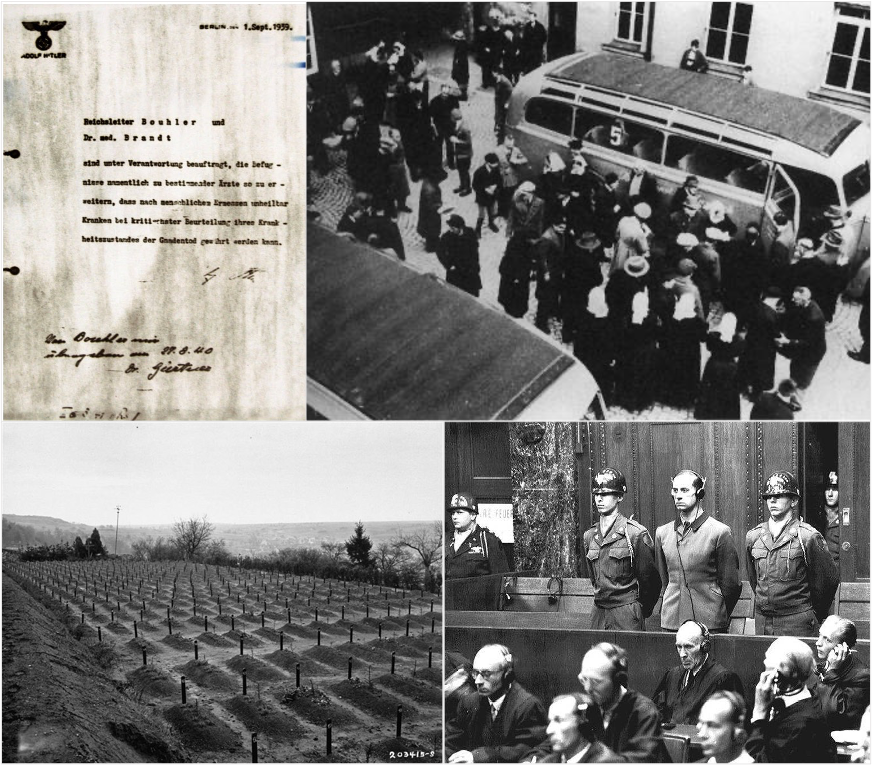
Despite efforts to keep Aktion T4 a secret, the sheer volume of deaths soon made it common knowledge. “Private and public protests concerning the killings took place, especially from members of the German clergy,” the online Holocaust Encyclopedia recounts. “In light of the widespread public knowledge and the public and private protests, Hitler ordered a halt to the Euthanasia Program in late August 1941.”
Hitler’s announcement was merely for show, however. The program continued under even greater secrecy until the end of the war, by which time an estimated 250,000 people with a disability or illness had been killed by gas, drug overdose or poison. In 1948 Brandt was found guilty of war crimes by a U.S. military tribunal and hanged.
It is worth noting that The Atlantic is by no means the first mainstream media outlet to draw a contentious parallel between Canada and Nazi Germany. Canada’s New Euthanasia Laws Carry Upsetting Nazi-Era Echoes, Warns Expert reads a 2022 headline in the U.S. business magazine Forbes. In the story Tim Stainton, director of the Canadian Institute for Inclusion and Citizenship at the University of British Columbia, declares his country’s uniquely permissive euthanasia laws “probably the biggest existential threat to disabled people since the Nazis’ program in Germany in the 1930s.” The Nazi comparison was also raised in the 2021 C2C Journal article titled Canada’s Newest and Deadliest Human Right: Suicide for All.
A Medical “Service”
In 2015 the B.C. Civil Liberties Association, appellants in the landmark Supreme Court case Carter v. Canada that paved the way for MAID in this country, responded to their victory with a triumphant press release stating, “Physician-assisted dying will now be recognized for what it is – a medical service.” But just how far can the innately oxymoronic concept of a fatal medical service be stretched?
The current debate over advance directives – now legal in Quebec but nowhere else – and whether 12-year-olds should be able to decide to end their own lives presents obvious and grave ethical dilemmas. The steady expansion of terms and conditions from what was originally meant to be a very narrow right to MAID for people on the verge of death certainly bolsters the claims of the many critics who presciently warned of a slippery slope back in 2015. And yet it is at least possible to ask a 12-year-old or someone battling severe mental illness if they truly want to die.
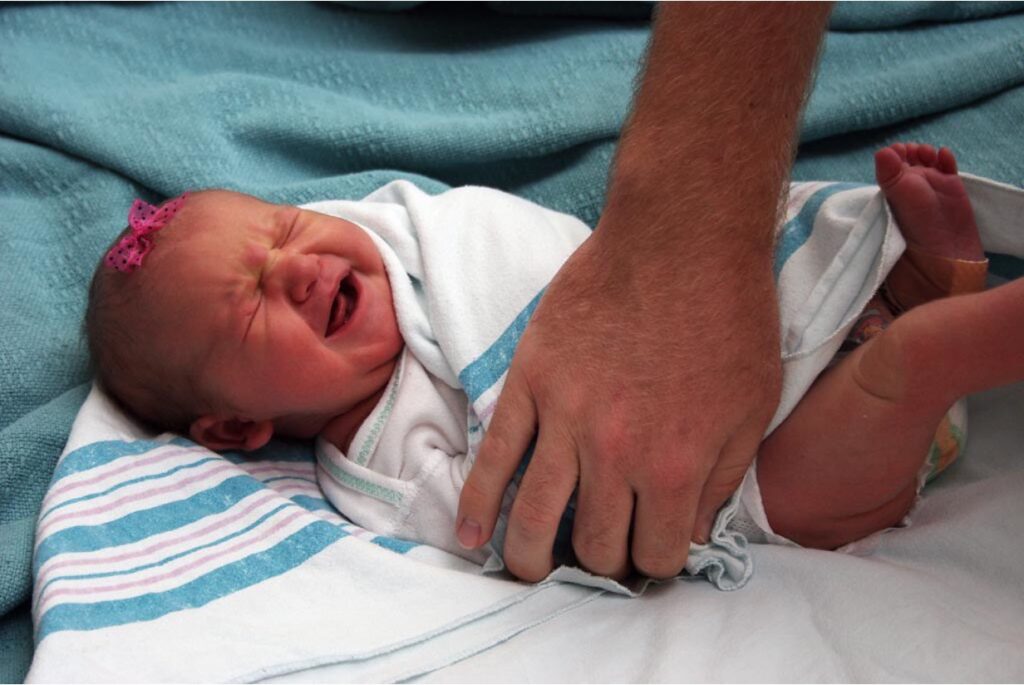
MAID for infants is categorically different from every other proposed or enacted expansion. In this case, informed consent is impossible. A parent or guardian must instead make the application. Also impossible is a reliable diagnosis of “unbearable suffering”, which cannot be expressed by the infant and must therefore be inferred. And it is reasonable to assume that in some cases, the parent or guardian will apply for MAID in anticipation of potential future suffering or because they are seeking to ease their own burden.
These are distinctions that most Canadians seem to appreciate viscerally, at least judging by the response to Roy’s testimony in 2022 and more recently to revelations by The Atlantic and the Daily Mail. Yet advocates are still making plans. What was once an effort to “explore” the concept is now described as something that “should” be made available to parents. Given Quebec’s disdain for following Canadian national standards or laws, MAID for infants may soon occur in that province without the rest of the country even having a say.
So what explains the relentlessness of this horrifying idea? Another MAID advocate interviewed by Plott Calabro offers a clue. Jonathan Reggler is a family physician from Vancouver Island and co-chair of Dying with Dignity Canada’s Clinician’s Advisory Council. While he is now retired from regular practice, Reggler’s entry on the Dying with Dignity Canada website claims he “continues to provide MAID to patients in his own community and in other Vancouver Island communities that do not have enough local MAID providers to serve the need in them.”
Reggler admitted to The Atlantic that since the introduction of “Track 2” there have been times when he’s experienced “discomfort” in his practice. “I can think of cases that I’ve dealt with where you’re really asking yourself, Why?,” Reggler explained. “‘Why now? Why is it that this cluster of problems is causing you such distress where another person wouldn’t be distressed?’” [Emphasis in original]
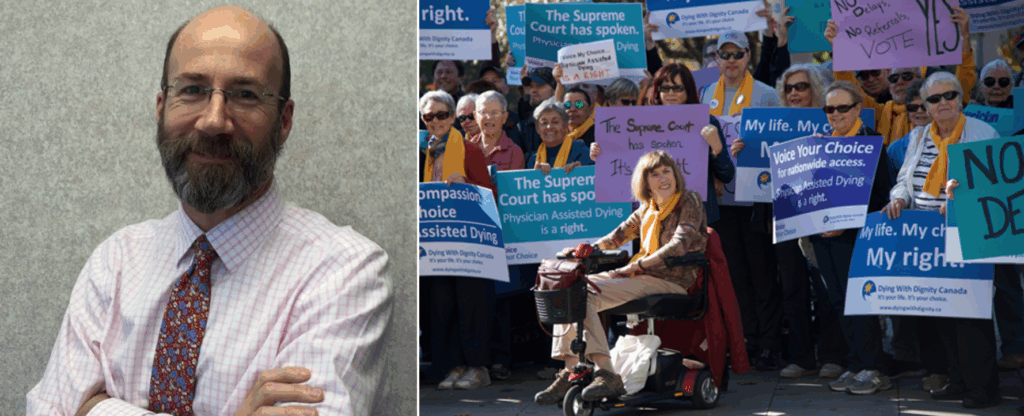
And yet Reggler manages to shake off any niggling questions about the moral messiness of MAID. He and his fellow MAID providers are on a mission, after all: “Once you accept that people ought to have autonomy – once you accept that life is not sacred and [not] something that can only be taken by God, a being I don’t believe in – then, if you are in that work, some of us have to go forward and say, ‘We’ll do it’.”
And it is precisely this “do-it” attitude of Canada’s MAID movement, which regards life as fundamentally unsacred and unworthy of protection, that explains the practice’s metastatic growth to date – and threatens to put the lives of future innocent babies at risk. Unless, that is, Canadians wake from their slumber and finally say, “No. Don’t do it.”
Anna Farrow served for ten years as the director of a non-profit organization representing English-speaking Catholics in Quebec. As a journalist, she has written for numerous publications including First Things, Catholic World Report and The Catholic Register.
Source of main image: Shutterstock.