Germany has long been Europe’s economic engine and the country’s GDP remains third-largest in the world, well behind the U.S. and China though still ahead of Japan and India. But because of serious policy failures in key areas Germany is now a nation in social, political and economic decline. It is a cautionary tale with powerful – and ominous – lessons for Canada.
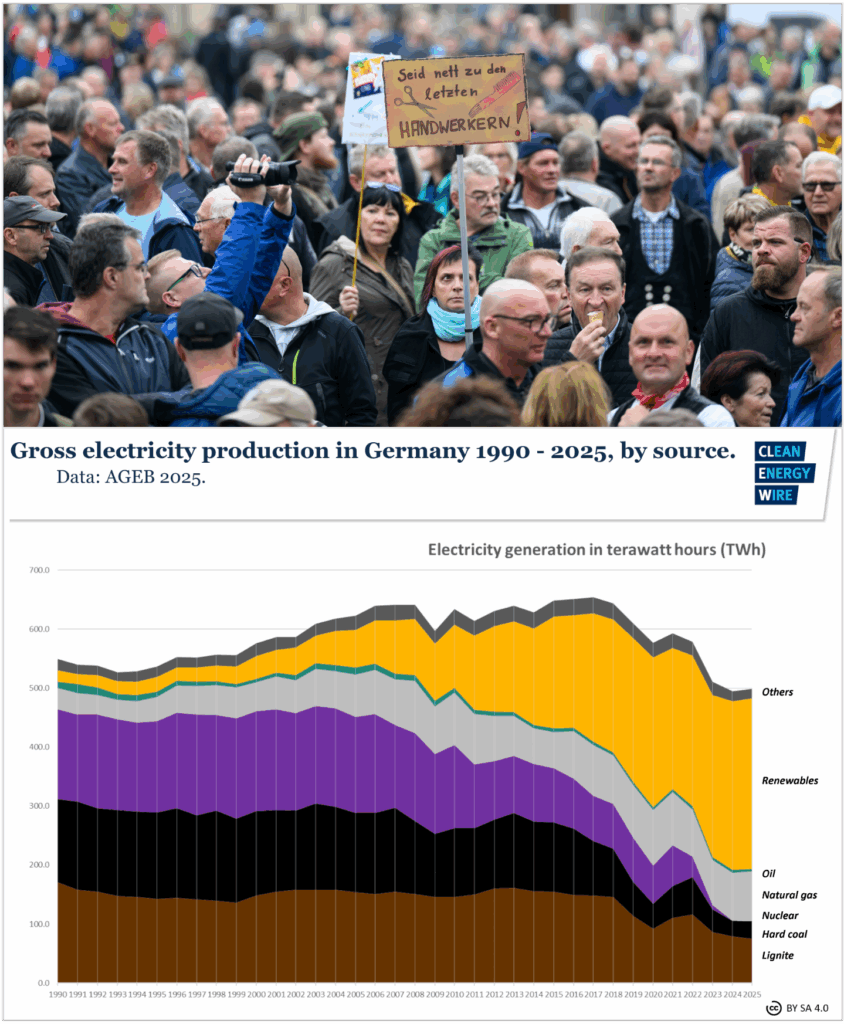
Begin with economic policy, specifically energy policy. Reliable, affordable energy is key to any country’s economic well-being. In 2002, Germany’s 11 nuclear power plants generated more than one-quarter of its electricity, with coal and natural gas supplying most of the rest. “Renewables” were just getting going at the time. Since then, huge investments in solar and wind power have been made, with ugly wind turbines and solar farms blighting more and more of the pretty German countryside as well offshore zones in the North Sea. The original intention was to phase out fossil fuels and drive down greenhouse gas emissions to meet Germay’s international commitments. But driven by an irrational anti-nuclear-power campaign by environmental zealots and Green Party politicians, Germany’s plan then morphed into generating so much power from wind and solar so as to also allow the shutdown of all of Germany’s zero-emitting nuclear plants by 2036.
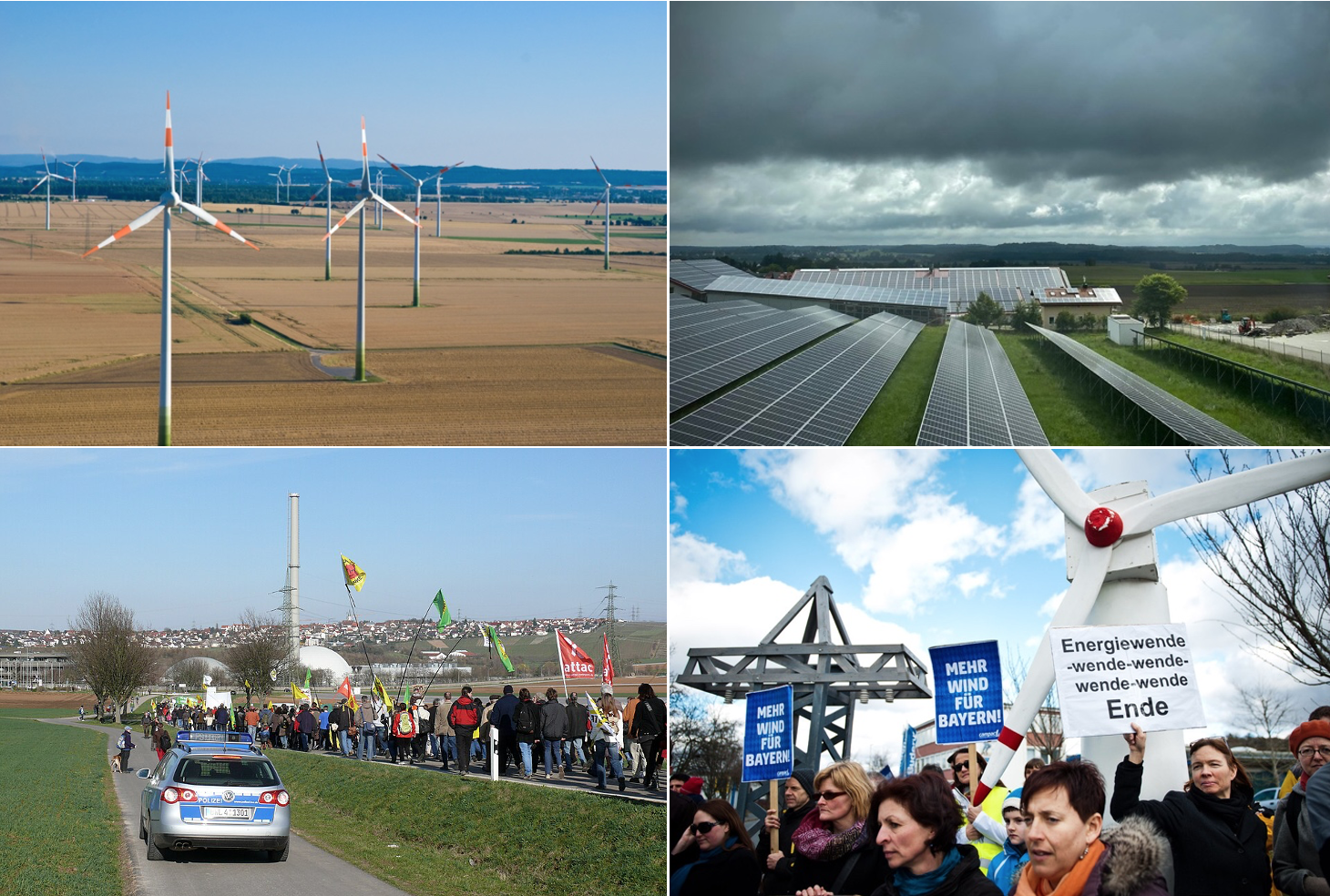
Then came the 2011 nuclear disaster in Fukushima, Japan. Although it was triggered not by a nuclear accident but by tidal waves from an offshore earthquake, the unwarranted fears the plant’s destruction aroused accelerated the shutdown of Germany’s safe and reliable nuclear plants. Within six months, eight of Germany’s nuclear plants were closed. Since then, ironically, Japan has worked to refurbish and restart 15 of the 54 units that it shut down nationwide, and plans to restart another 16. With Germany’s electricity consumption zooming as the government pressured consumers and businesses to transition away from fossil fuel use, even the country’s headlong wind and solar energy construction couldn’t keep pace.
What has Germany’s energy policy done to its industrial competitiveness?
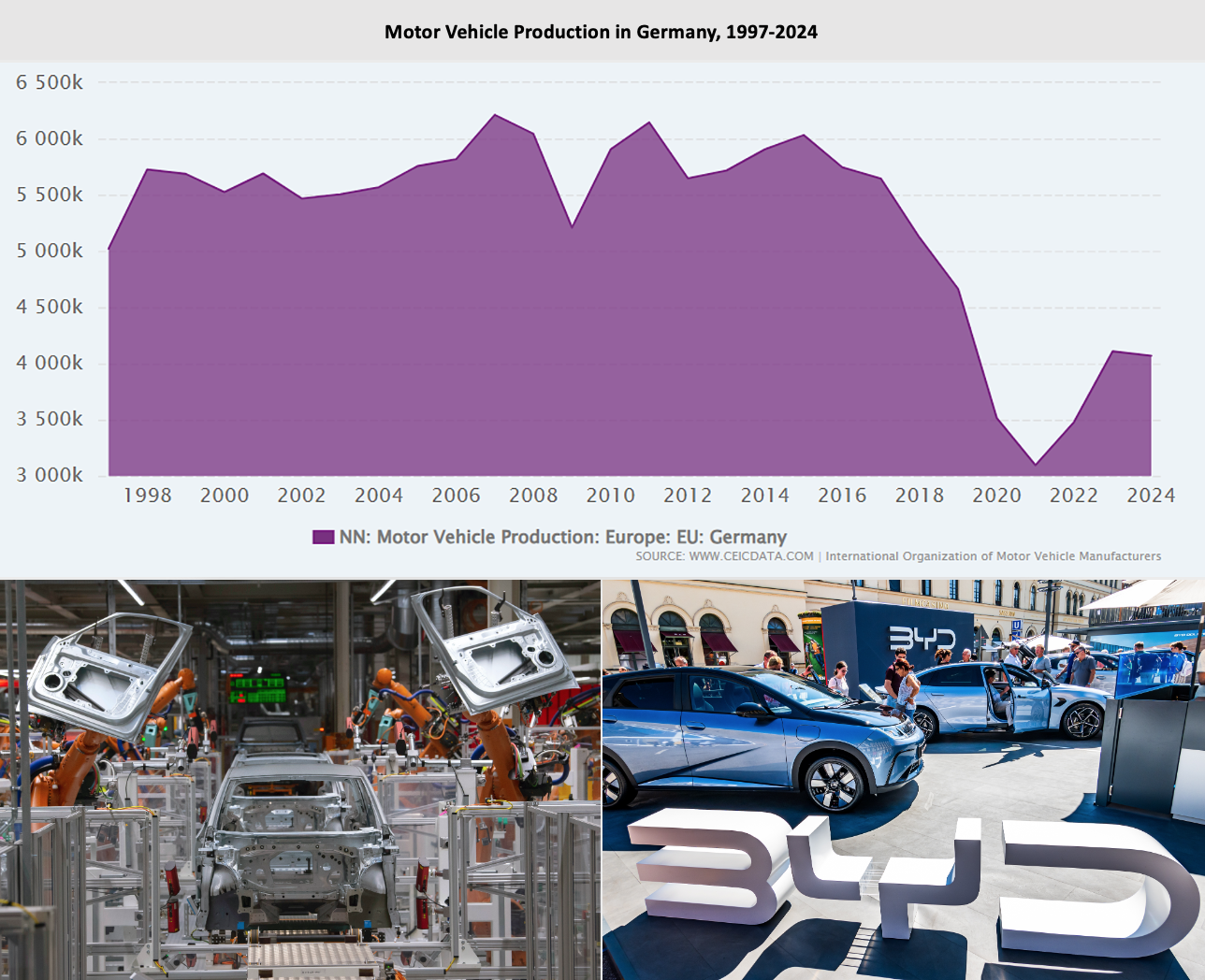
This shift has been ruinous for the nation’s manufacturing core, particularly the chemicals and automotive sectors. Automobile production in Germany declined by 29 percent between 2017 and 2024, a sharp contrast to continued growth in China. Reports by credible economic consultancies conclude that had Germany maintained its nuclear power plants, electricity prices in 2025 would be 23 percent lower, while 94 percent of power generation would be emissions-free.
That left little choice but to import ever-greater volumes of natural gas from Russia for power generation, heating and industrial fuel. The enormous, twin-pipe Nord Stream natural gas pipeline running down the Baltic Sea, completed in 2012, in effect replaced Germany’s secure nuclear power with dependency on a fossil fuel supply controlled by Vladimir Putin. Had Germany kept its nuclear plants, a Price Waterhouse report concluded last year, fully 94 per cent of its power generation would now be emissions-free and the average price of its electricity would be 23 per cent lower. Instead, German ratepayers and businesses face some of the world’s highest electricity prices – plus scarcity of natural gas and declining reliability. Germans have coined a lamentable new term, “Dunkelflaute”, to describe all-too-numerous calm nights when the country’s entire vast array of wind and solar power facilities produce not one single watt of electricity.
Automobile production in Germany declined by an incredible 29 percent between 2017 and 2024, while China’s output continued to increase. No wonder Germany’s economic growth has flatlined and its average per capita income is falling. Sound familiar?
The impact of Germany’s disastrous energy policy can hardly be overstated. High energy prices have been literally ruinous, rendering business after business and entire industries uncompetitive in the face of surging global competition. Germany’s world-leading chemicals industry – which, among its thousands of inventions, brought the world Bayer Aspirin – has been pummelled into a shadow of its former self. The country’s famously productive and reliable mid-sized manufacturers, most of them family-owned for generations, have been scaling back or shutting down by the hundreds.
And now the country’s single largest industrial category, biggest employer and foremost source of export earnings too is under threat. Germany’s automotive sector has been described as “an ecosystem that provides livelihoods for millions of people.” But now, Chinese automakers such as BYD and NIO have entered European markets with innovative, affordable products, eroding profitability and market share for Volkswagen, Audi, BMW and Mercedes-Benz and leading to the first mass layoffs in that industry since the Second World War over 80 years ago. Automobile production in Germany declined by an incredible 29 percent between 2017 and 2024, according to auto industry data, while China’s output continued to increase and the U.S. was down by a more manageable 10 percent. No wonder Germany’s economic growth has flatlined and its average per capita income is falling. Sound familiar?
Social Calamity Driven by the Same Ideologues
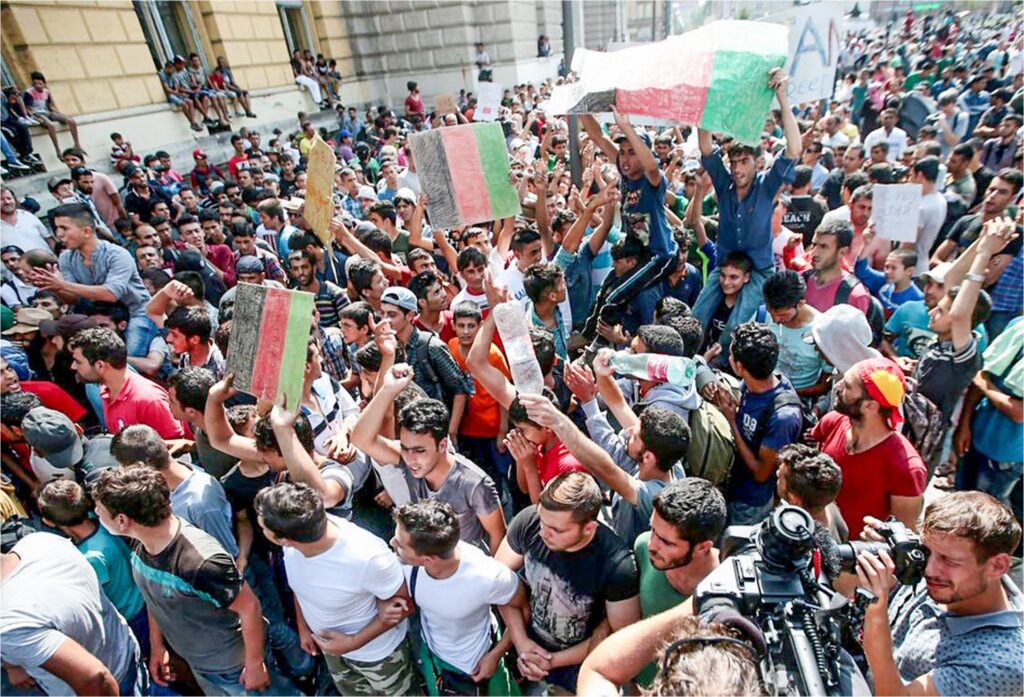
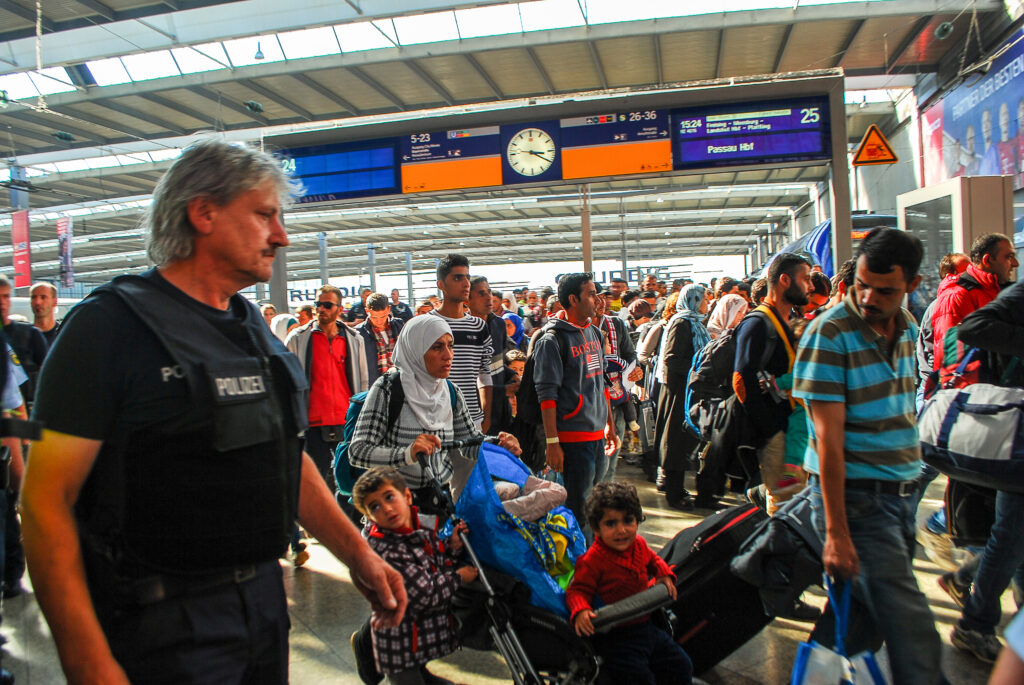
Germany’s socio-political picture is even more dismal. During the Syrian civil war that erupted in 2015, large numbers of displaced Muslim asylum-seekers made their way though the Balkans and into Europe. They came in huge, unruly waves, instilling fear in local citizens. Greece, Poland, Hungary and Belarus forcibly prevented entry, while other countries did all they could to usher them onward with tales of free housing and welfare cheques farther to the north. Germany became a favoured destination, taking in 76,000 Syrians in July 2015 and 170,000 in August.
That was only the start; Chancellor Angela Merkel then made her soon-to-be-infamous declaration “Wirschaffen das” – “We can do this.” That opened the floodgates and by the end of 2015 Germany had taken in 1.2 million Muslim refugees. Attempting to integrate the huge waves of migrants proved an enormous challenge. Immigration offices, schools, language instructors, social service providers and employment offices were overwhelmed. In 2024 alone Germany officially spent a staggering €29.7 billion – Cdn$48 billion – on refugees and asylum seekers, a figure that does not include damages from the associated criminality, and with rival estimates running as high as €50 billion.
What are the social and financial costs of Germany’s 2015 “open door” immigration policy?
Even as problems became apparent, however, Germany continued to welcome migrants year after year. In 2023 alone, Germany accepted 300,000 asylum seekers, 80 percent of whom were Muslim, a large proportion of those unattached young men, bringing the total to 2 million. This was after an estimated 1,200 German women were sexually assaulted, including hundreds of them raped, by mostly migrant men on a single New Year’s Eve.
The relentless attacks and the soaring popularity of the anti-migrant Alternative für Deutschland (AfD) Party in Germany’s eastern provinces and at the federal level have at last prompted the federal government – headed by the Christian Democrats under Chancellor Friedrich Merz, in coalition with the leftist Social Democrats – to take meaningful action. For the first time since the Second World War, Germany has begun deporting large numbers of migrants, last year sending some 60,000 illegal immigrants, rejected asylum-seekers or criminals back to their country of origin. Welfare payments and social supports have also been slashed. Germany’s measures to date are summarized (along with those of nine other European countries ranging from Latvia to Denmark to Poland) in this informative video.
This is the sad story of how energy supply decisions and ruinous immigration policies driven by the same collection of hard-left ideologues brought about the economic and social destruction of a thriving society that had risen from the ashes of Nazism to become the most successful nation in postwar Europe.
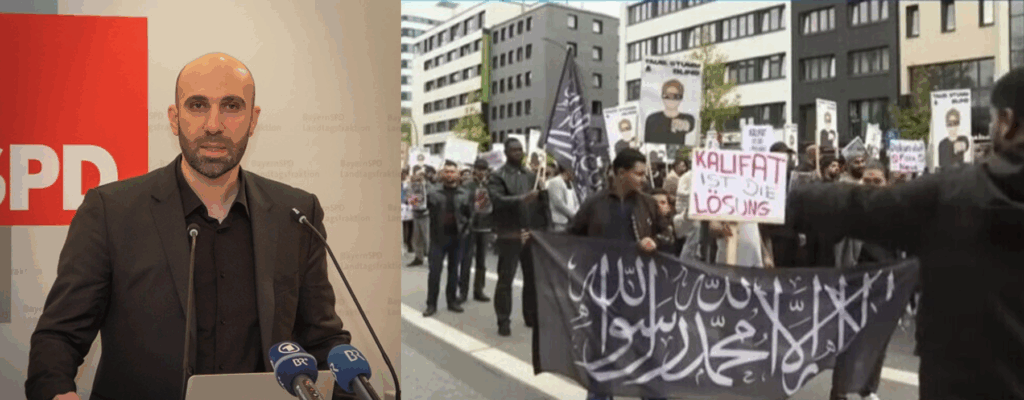
The Merz government is also targeting extremism among legal immigrants and naturalized citizens. In November it banned a group called Muslim Interaktiv that has called for Germany to become an Islamic Caliphate in which, according to the German Ministry of the Interior, “Islamic law should take precedence over German law in regulating life in the Muslim community, including in areas such as the treatment of women.” Ahmad Mansour, an outspoken critic of Islamic extremism, calls Muslim Interaktiv “part of an Islamist network that has become significantly more aggressive and dangerous in recent months. They carry out intimidation campaigns, specifically mobilize young people and attempt to indoctrinate them with Islamist ideology.” Accordingly, Germany has also strengthened controls on funding by countries such as Saudi Arabia and Qatar of mosques that have encouraged radicalization.

Still, like other European countries, Germany continues to commit demographic suicide. The average fertility rate in the European Union fell to an all-time low of 1.38 in 2023, well under the bare replacement rate of 2.1. In Britain and France, which publish separate fertility rates for Muslim women, the estimated fertility rate is more than twice as high at 2.9, while Muslim fertility for Europe as a whole is estimated at 2.6.
What demographic shifts are occurring in Germany and how do they relate to the nation’s future?
This is the sad story of how energy supply decisions and ruinous immigration policies driven by the same collection of hard-left ideologues have brought to the brink of economic and social destruction a once-thriving society that had risen from the ashes of Nazism to become the most successful nation in postwar Europe. May the lessons Germany and other European nations finally seem to be learning help guard other nations from the same sad fate. Including our own.
Gwyn Morgan is a retired business leader who has been a director of five global corporations.
Source of main image: Shutterstock.