Urban America is experiencing a widespread breakdown in public order. Cities such as Chicago and San Francisco are marked by homelessness, violent crime, an epidemic of drug abuse, housing shortages, a decaying infrastructure and a general erosion of the human ecology, while others, such as Portland, have added ongoing violent protests to the mix of woes. Among the major reasons for urban decline, believes Steve Malanga, was the championing of progressive social policies reflecting the cultural revolution of the 1960s. Writing in City Journal, Malanga argues that however well-intentioned such policies were, their practical effect was to produce a chaotic, dangerous, urban netherworld. Fortunately, the remedies are well-known; tragically, we appear to lack the political will to enact them.
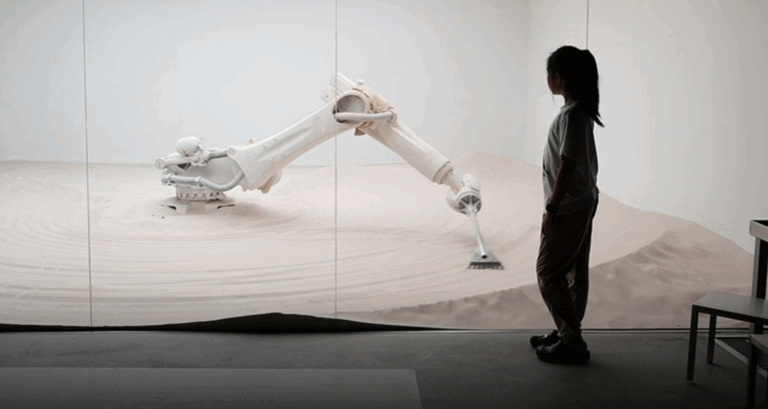
Keeping the AI Apocalypse at Bay
Writing in City Journal, Judge Glock examines legal efforts to control AI and dismisses the current fixation on suing for specific harms, such as bad advice. “The idea that we should treat Big Tech, including AI companies, like we treated Big Tobacco, is exactly the wrong idea,” he observes. A better approach is to assess product liability based on which parties can perform the task at the cheapest cost, as is the case with the regulation of medical equipment. This “has the benefit of putting the onus on companies themselves to game out dangerous scenarios and prevent them,” he advises. For more on AI, see this C2C article.