Attendance mandatory: In the early days of public education, pupils were expected to be in their seats every day. At left, habitual truants doing drills at the Victoria Industrial School in Mimico, Ontario in 1898; at right, a couple of young fishermen trying their luck on Edmonton’s North Saskatchewan River when they should be in class, circa 1950. (Sources of photos: (left) Toronto Public Library; (right) Edmonton Journal)
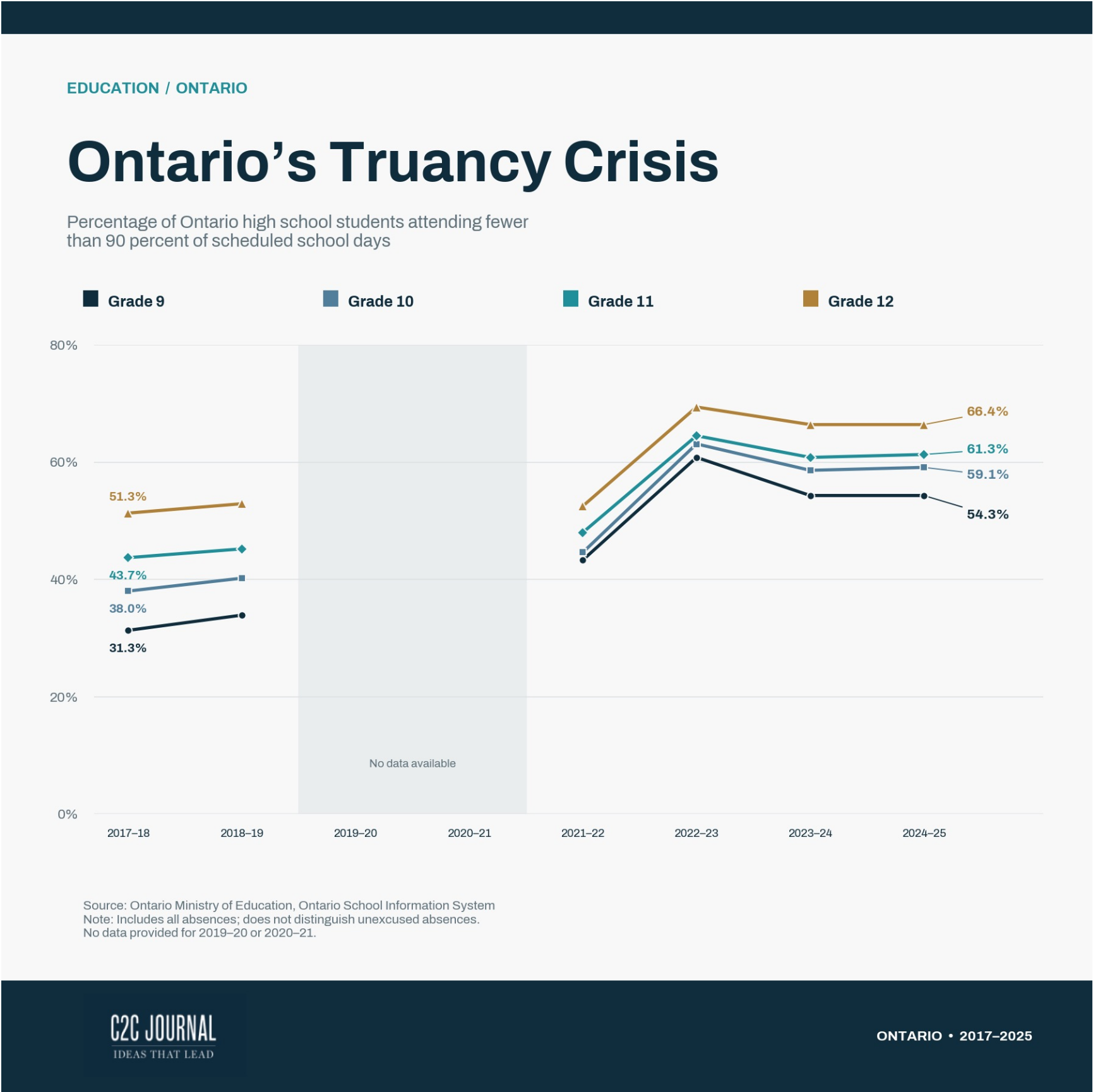

Most other provinces do not publish school attendance data, but research by CBC News via access to information requests found the number of unexcused absences in British Columbia increased by 86 percent in Vancouver’s high schools between October 2018 and October 2025. In Alberta, one-third of Edmonton public school students were chronically absent during the 2024-2025 school year, a tripling of the rate in 2019-2020. Quebec data on Montreal’s high schools reveals that unexcused absences more than doubled between 2018-2019 and 2024-2025. Many of Canada’s schoolkids, it seems, no longer feel a need to go to class.
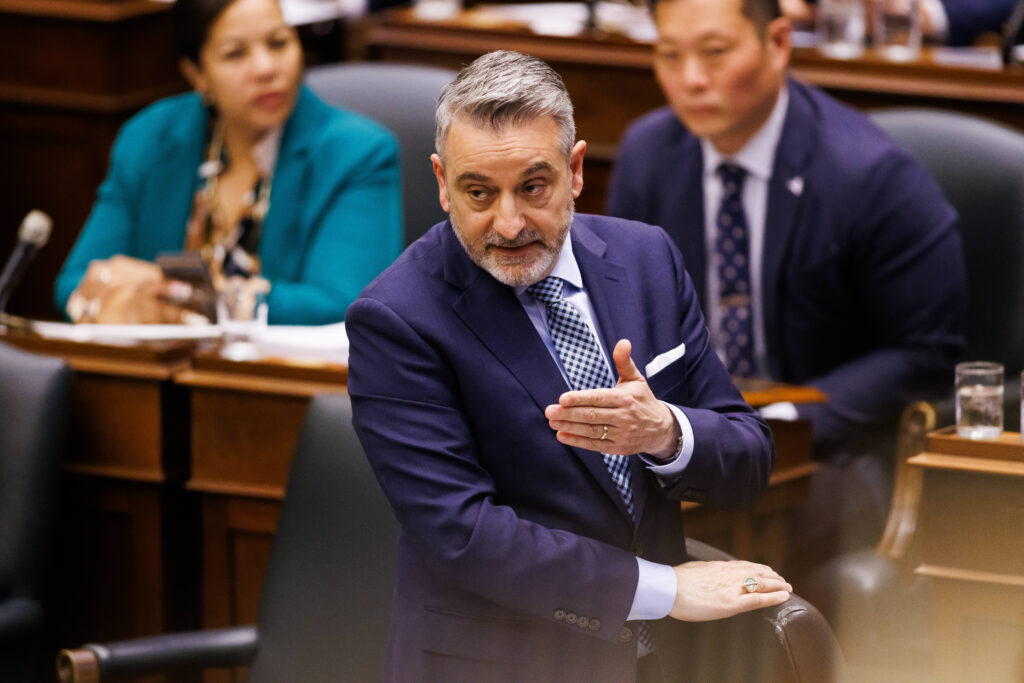
To reverse this worrisome trend, Ontario education minister Paul Calandra says he’s taking tough action. Starting with the current school year, Ontario high school students now face clear consequences when they don’t show up for class. In Grades 9 and 10, 15 percent of a student’s final mark will be based on attendance and class participation. In Grades 11 and 12, the proportion is 10 percent. And it could prove decisive: to earn a top mark of Level 4 – roughly comparable to an A – a student must limit their “unexcused absences” to two or fewer per semester. “When students aren’t in class, they fall behind, and classrooms fall apart,” declares a short video Calandra released to promote his new policy. “For years classroom participation didn’t count. Students could drift in and out and still pass. That ends now.”
Part of the reason absenteeism had gotten so far out of control, Calandra later explained, is that no one really knew what was going on. During a press scrum at Queen’s Park, the education minister admitted that, “I actually still thought attendance and participation was part of the mark, and I realized that for many, many years it had been taken out.” Since 2010, attendance and performance were considered separately on provincial report cards. The minister’s plan to reunite these two concepts can be seen as an attempt to correct the errors of the recent past and put the emphasis of the school system back onto in-person education and personal responsibility.
Excellence is a Habit
The essential link between school attendance and school performance has been clear since the very beginnings of formal education at the philosopher Aristotle’s famous Lyceum in Ancient Greece. “We are what we repeatedly do. Excellence is not an act, but a habit,” is how author Will Durant paraphrased Aristotle’s views about being present in his Nicomachean Ethics. More recent evidence further bolsters that time-tested concept.
The 2026 OECD report Every Day Counts: Understanding, Preventing and Responding to School Attendance Problems takes a close look at attendance policies and school outcomes across 45 education systems around the world and offers a useful summary of the topic’s most up-to-date research. Among its top-level observations is that “school attendance problems have worsened over time.” The report notes that while student absences were slowly rising in many jurisdictions since the early 2010s, Covid-19 turned that trickle into a torrent. Another major finding is that “school attendance problems are unequally distributed.” Specifically, “certain groups, including socio-economically disadvantaged students, those with an immigrant background [and] students with special education needs” suffer the most when they skip school. Attendance is a matter of both excellence and equity.
The link between attendance and academic outcomes is well-established and substantial. The OECD’s PISA program compares math, science and reading test results for 15-year-olds in countries around the world. Students who admitted to skipping one day in the two weeks prior to the most recent PISA math test scored 36 points below the average test result of 472. Those who missed five or more days underperformed by 72 points.
OECD researchers also connect attendance to other important markers of long-term success, including executive function, motivation and perseverance. Bad attendance habits may even be contagious. OECD researchers found modest evidence to suggest students in classes with higher-than-average absenteeism performed worse as a whole than their peers in well-attended classes, regardless of individual attendance records. And empty classrooms can demoralize teachers as well as students.
As for Canada’s performance, it is one of several countries including Australia, New Zealand, the UK and U.S., identified in the OECD report as displaying “consistently increasing trends” for absenteeism. According to PISA test results, 32 percent of Canadian 15-year-olds admitted to skipping a day in the previous two weeks. An extremely low rate of attendance among Indigenous children is another national characteristic. The drop-off during the Covid-19 era was twice as large for native students as all others.
Given the significance of attendance – particularly for disadvantaged students – one might expect Calandra’s efforts to identify and correct this situation to earn him universal praise. He is, after all, striking a blow for higher standards and greater equity. This being Ontario’s highly-partisan and deeply-polarized education system, however, Calandra has instead faced relentless criticism for attempting to get kids back in class.
Are Sports More Important?
“Appalling.” That’s how Kelly Gallagher-Mackay, coordinator of the Law and Society program at Wilfrid Laurier University in Waterloo, Ontario, describes Ontario’s new policy. “I don’t think it’s consistent with the evidence on what works around attendance,” she says in an interview. The law professor chiefly worries about the distinction between “excused” and “unexcused” absences, and the fact it will be up to school principals to make the determination. While illness and other school-approved activities may be easily recognized, she wonders about a student forced to stay at home to look after a younger sibling because their single mother has to work. The new rules “are likely to penalize vulnerable groups” the most, she frets.
Gallagher-Mackay argues that Calandra has mistakenly adopted a “transactional” view of education. “The only thing that matters here is the results,” she says. In her view, the new rules fail to note the systemic reasons behind why kids may miss school, including socio-economic circumstances, bullying and health or disability issues. A better approach would be for the province to ensure schools are “good places for students to go” before expecting them to show up, she says.
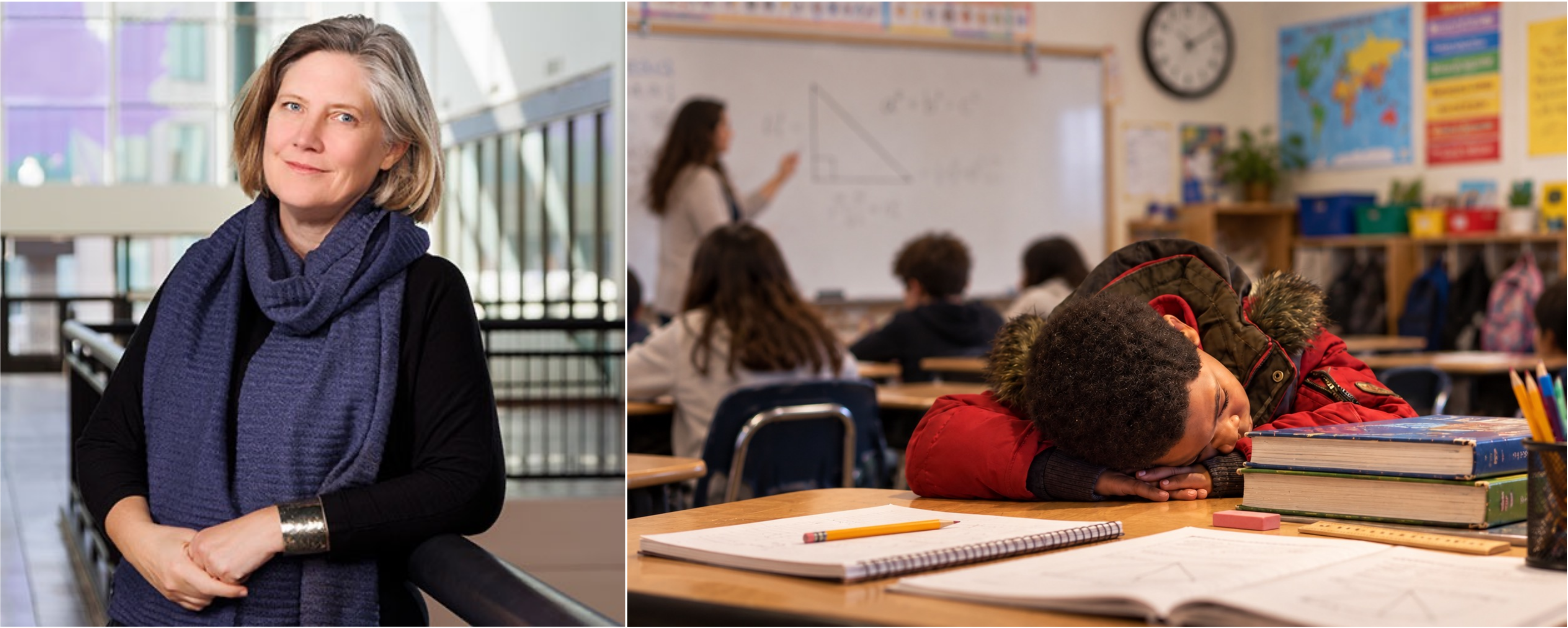
Despite her sharp criticisms, however, Gallagher-Mackay – whose own research on the precipitous drop in attendance among Canada’s native students was cited in the OECD report – admits the government has a point. “I think that they are right that it is a serious problem and requires province-wide intervention and response,” she allows. “But the way they are going about it is simplistic and counterproductive.”
Other critics worry that Ontario’s new focus on attendance will hamper competitive sports. “This will have a huge impact,” Dean Boles, CEO of Swim Ontario, told the Toronto Star. With 7,000 high school students on his roster and competitions typically held on weekdays, Boles warns that competitive swimmers could easily sail past the allowed number of absences per year. Should there be any conflict between school and the pool, Boles figures the government should prioritize athletics. “Sport delivers so much more than the classroom can,” Boles claimed. And with school principals now in charge of deciding which activities are excusable, Gallagher-Mackay adds that über-motivated sports moms and dads could soon be “harassing and bullying school leaders” to ensure their kids aren’t penalized for going to swimming meets. Chaos awaits.
To quell the controversy, Calandra soon issued a clarification that his government will “make some accommodation” for high-level athletes, although he noted that “education is a priority.” In September, Calandra again found himself defending the new policy against an apparent legion of angry sports-focused families. “This is about those kids who don’t have an excused absence from their parents,” he emphasized at a press conference. “Sometimes their parents don’t even know that they are skipping a class.” Calandra, in other words, is aiming at genuine truancy and the incontrovertible damage it does; he isn’t attempting to ruin the aspirations of high-achieving children and their parents.

Teachers’ unions have seized on the dispute to bang on about their own favourite topic – school funding. While Martha Hradowy, president of the Ontario Secondary School Teachers’ Federation, grudgingly admits that student absenteeism has worsened since the pandemic, she argues that the solution lies in increasing education budgets rather than docking marks. “Right now, we’re seeing rising student needs alongside fewer supports, and that’s the real problem the government should be addressing,” she told the Canadian Press. According to the teachers’ union, the solution to falling attendance is, as ever, more taxpayer spending.
As for the group that must implement this new policy, the Ontario Principals’ Council (OPC) complains that they were never properly consulted. “The problem now is that we don’t have clarity on all of the answers to the complex other ways that attendance plays out in schools,” OPC president Amy Johnson told the Globe and Mail. The OPC declined an interview with C2C Journal, citing ongoing consultations with members.
Traditionalists Weigh In
Given how Ontario’s new attendance policy harkens back to a more traditional concept of education founded upon personal responsibility and physical presence, one might expect Calandra’s efforts to have been warmly welcomed by education reform advocates, especially those who bristle at the progressive, wokist tendencies of modern school boards. Yet even among this group, the response has been lukewarm at best.
John Hilton-O’Brien is executive director of Parents for Choice in Education, an Alberta-based lobby group that advocates for greater parental involvement in the school system and a return to proven teaching techniques such as phonics language instruction, transparent marking standards and an emphasis on core knowledge. While he has been a frequent critic of faddish educational trends, in an interview Hilton-O’Brien is noticeably cautious about Ontario’s new attendance policy.
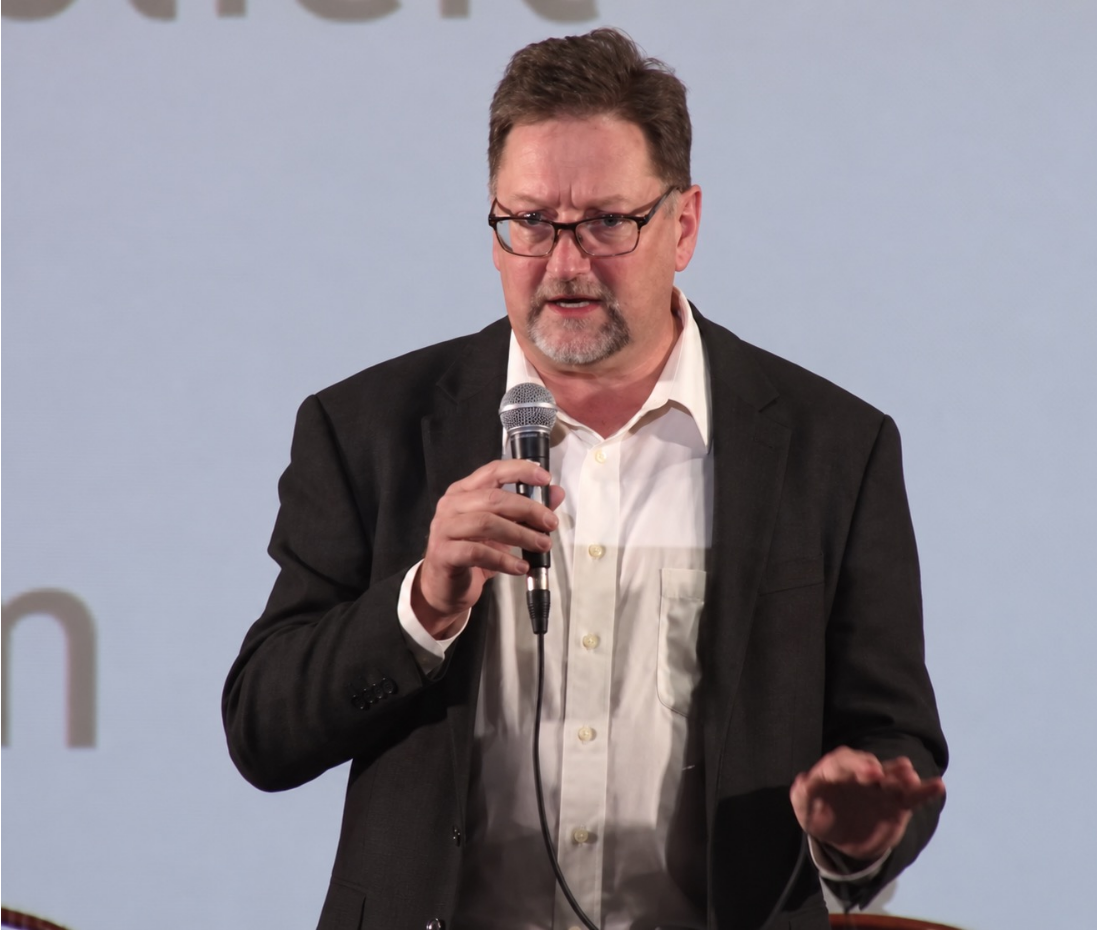
“Attendance is a ritual,” he says. “It marks membership and when you follow the rituals, it builds that cohesion that makes the project go better.” But Ontario’s new plan is only “half right,” he says, “in that it reestablishes the duty to show up without enforcing a duty to behave appropriately.” The problem, Hilton-O’Brien warns, is that the new attendance policy could simply create classrooms full of “seat warmers”, students who come just to get a few easy marks. Genuine student engagement, he stresses, depends on factors other than simply putting butts in seats.
Hilton-O’Brien would prefer to see Ontario take action on the deeper-seated problems plaguing the education system – which are likely to be contributing to the rise in absenteeism. Chief among these is the troubling growth in behavioural issues inside the classroom. “Violence is up and attendance is sliding,” Hilton-O’Brien says, as this C2C article starkly illustrates.
In his view, the problem lies with so-called “de-streaming” policies that push all children, regardless of ability, into the same classrooms, along with no-fail guarantees and other progressive measures that have stripped teachers and schools of the ability to properly discipline unruly students. He recounts a conversation with an Alberta student who’d been assaulted by another child in middle school. The attacker “was expelled or suspended,” Hilton-O’Brien explains. Yet “three days later, that same student was in the same chair looking right at him after the assault.” The fear of being beaten up can be a powerful inducement to skip school.
And despite the popular view that falling attendance is the result of Covid-19, Hilton-O’Brien is wary of using the pandemic as a convenient excuse. As mentioned earlier, 40 per cent of Ontario high school students were failing the 90 percent attendance threshold even in 2017-2018. That suggests absenteeism was a problem long before anyone was forced to conduct classes by Zoom. While he admits Ontario’s new attendance policy might “move the person who’s a marginal skipper, it does nothing for rooms where there’s chronic absenteeism or where there’s a discipline issue. And you’ve got to deal with all of these things at once.”

Another vocal advocate for education reform nationwide is Paige MacPherson, senior fellow for education policy at the Fraser Institute. But when it comes to Ontario’s newfound determination to reduce absenteeism, she is similarly blasé. “Attendance is important,” she allows in an interview, “but it’s just not the whole picture.” For MacPherson, the solution to under-attendance lies in ensuring a better match between student and school. And that means greater school choice.
“We need to ensure that schools are meeting kids where they’re at,” says MacPherson. “And that is probably not going to be accomplished by the current one-size-fits-all model of government-run public schools.” She points to Alberta’s robust, publicly-funded charter and independent school systems as a better model for combating attendance problems, since it offers a wide variety of options tailored to the unique needs of each student. In contrast, Ontario is a “school choice desert”, providing no financial support for parents who wish to put their children in a school outside the publicly-funded and largely homogenous English, French and Catholic systems.
“I think attendance is part of a bigger picture,” opines MacPherson. “Holding students to a higher standard and supporting them to meet it, that’s the other piece. You do need to make sure schools are effectively teaching kids and supporting kids so that they can absorb the material and succeed.” Hopefully that will be next on Calandra’s agenda. But perhaps his many conservative critics could simply “take a win” on attendance while also encouraging the minister to work on their own pet causes as well.
Skipping School around the World
Ontario is not alone in raising the alarm over attendance. Three years prior to the pandemic, Nova Scotia tweaked its attendance policy so that high school students could be denied a credit if they missed more than 20 percent of class time. Whether it worked or not is unclear, as the province has never published an evaluation. Also, the rule was suspended during the pandemic and only reinstated three years ago.
In 2023, Manitoba said it planned to fix its attendance problems as well, but the resulting policy’s title, Safe and Caring Schools: A Policy Directive Enhancing Proactive Supports to Minimize the Use of Suspension, clearly signals the flaccid approach. This plan seeks to make schools more welcoming and “culturally responsive”, and mandates a “non-punitive” approach to absenteeism. New Brunswick has a similar plan. Tying a student’s final mark directly to their ability to show up and participate in class, as Ontario is doing, signals a much tougher approach. If the province can follow through.
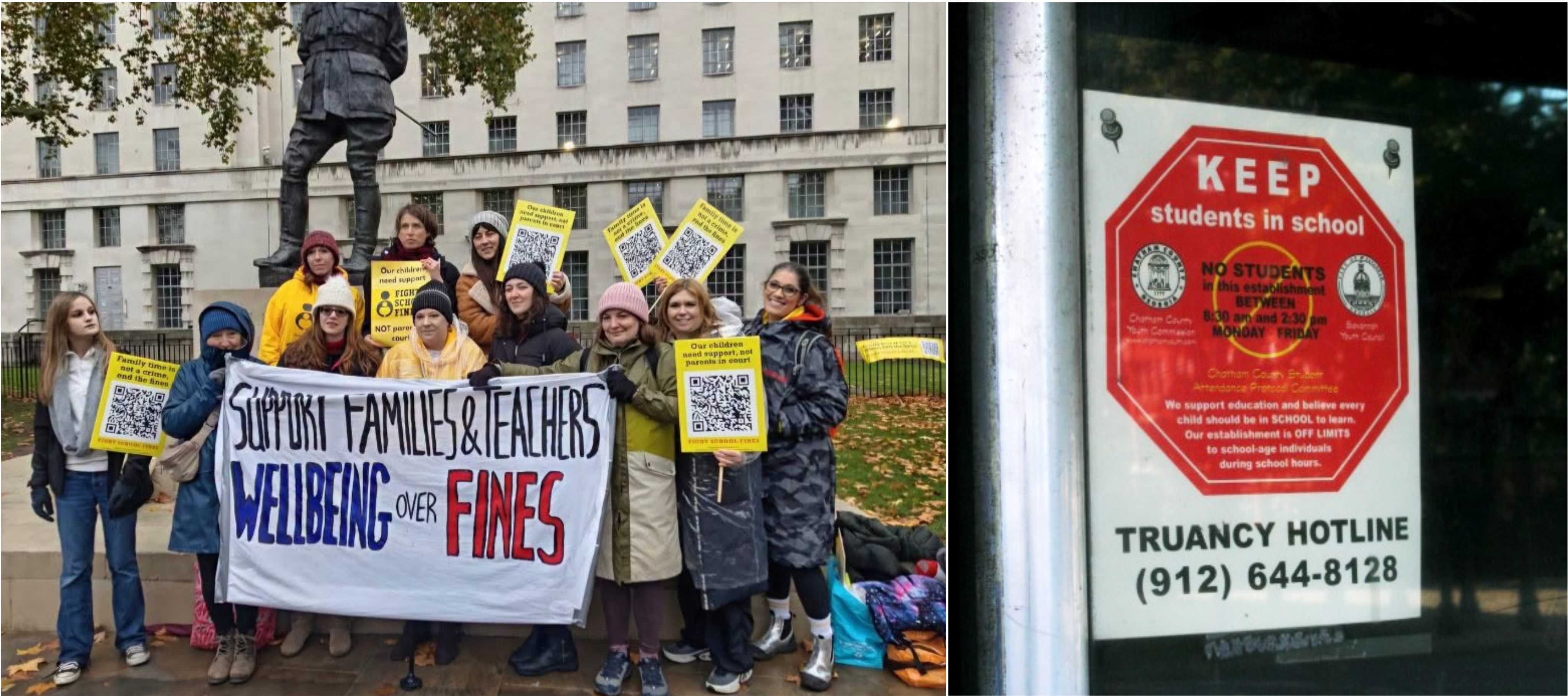
The OECD report offers considerable insight into the efforts and outcomes from other jurisdictions attempting to fix their own attendance problems. For example, in the UK during the early-2000s, a program called Fast Track to Prosecution sought to crack down on unexcused absences by fining parents. It appears to have had a salutary impact in the short term, but attendance often declined once the cases were closed. Later evidence of a similar program in Wales showed the threat of fines was also initially effective at discouraging parents from taking their kids out of school for vacations, although the impact again waned once the parents learned to frame their children’s absences as illnesses rather than holiday time. More broadly, the program seemed to promote lying, hardly a habit likely to contribute to the betterment of a child’s education.
In Wisconsin, a pilot project in the late 1980s called “Learnfare” threatened to withhold welfare payments from parents of chronically absent students. At first it delivered an impressive 4.5 percent increase in overall attendance. But the program was bedevilled by record-keeping problems and rarely withheld any money from families. A review later found that 84 percent of the claw-back decisions were ultimately reversed on appeal.
These disappointing results arose partly because administrators proved unprepared to enforce their own rules, and partly because the enforcement concept ignored the individual child’s personal accountability for attendance. The best results, as the OECD’s 2026 report reveals, are usually focused on students rather than the family as a whole, and are found in countries that place a high priority on educational excellence.
In South Korea, for example, children are only allowed to advance to the next grade if they have attended at least two-thirds of their required academic calendar. Finland tackles disciplinary problems decisively. A pupil who violates a school order can be suspended for up to three months, although the school board must also ensure the child is able to complete his or her compulsory education by other means.
In Portugal, a medical certificate is required to explain any absence longer than three days, blocking the familiar parental dodge of disguising family holidays as sickness. Portugal is also noteworthy for the emphasis it places on timely and detailed truancy data. And students who are absent too often and do not participate in truancy remediation programs can be required to repeat their entire school year. According to the OECD, South Korea, Finland and Portugal have the lowest levels of long-term student absenteeism among all 45 countries studied.
Lesson Number One: Show Up
School attendance was once a high priority in Ontario and throughout Canada. But decades of progressive reforms have eroded the sense of personal responsibility and accountability that used to lie at the core of expectations about attendance. The erasure of clear standards for discipline and achievement has also played a key role in this phenomenon. Why bother going to class if you know you’re going to pass regardless?
As a result, absenteeism today is no longer regarded as a personal failing. Rather, it is a condition that the school system itself must fix. Now it’s the school’s job to make students want to come to class. This is nonsense. It is a school’s duty to ensure its classrooms are safe and welcoming. Further, that its teachers are skilled at teaching and empowered to enforce basic disciplinary measures.
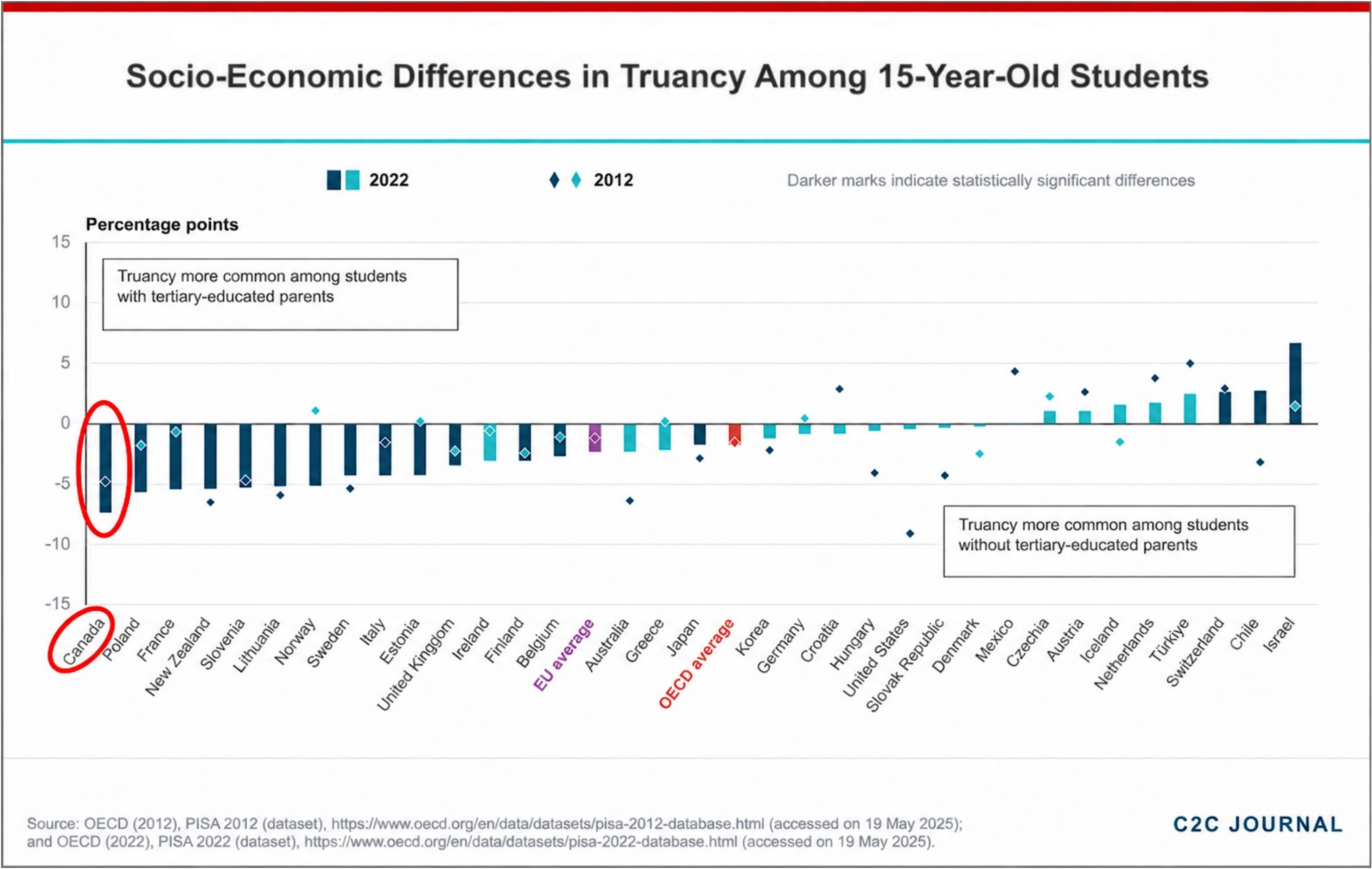
Beyond that, it is the student’s job to show up ready to learn. And this inclination must be ingrained and supported across society, including at home. Unfortunately, it appears many families learned the wrong lessons from the Covid-19 era and now treat in-person schooling as optional. That Canada leads the world in absenteeism among children of university-educated parents should be cause for national alarm.
 Despite the deluge of complaints from Calandra’s critics, attendance remains a major problem across Canada whose only realistic solution is reviving the expectation that it’s the student’s responsibility to get to class. Shown, a scene from the 1998 movie Rushmore in which student Max Fischer, played by Jason Schwartzman, proudly shows off his Perfect Attendance and Perfect Punctuality awards to Bill Murray’s character Herman Blume.