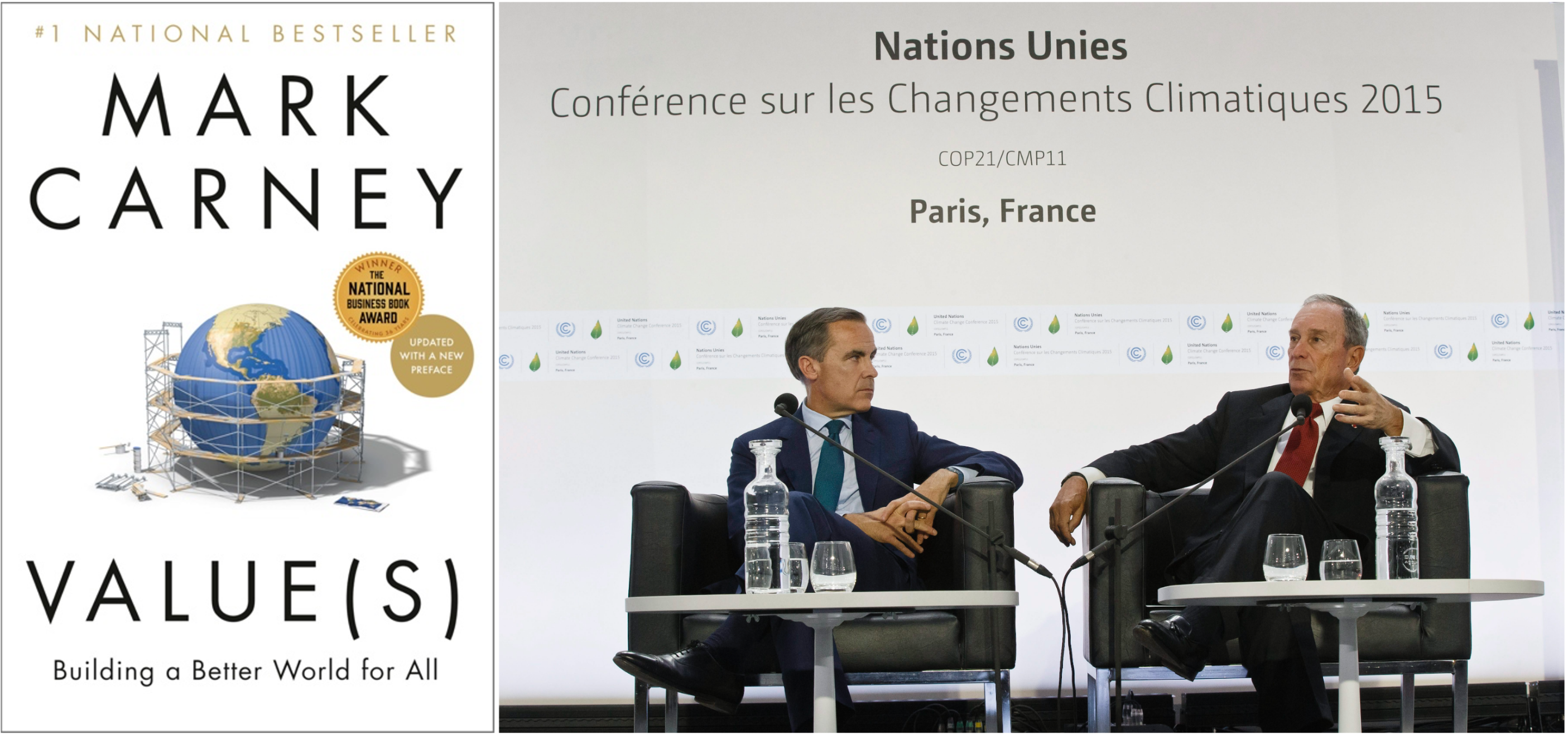
 Many titles, one message: Throughout his career as a Wall Street executive, central banker, pundit and politician, Mark Carney has promoted using global financial networks to tackle climate change. At left, Carney’s best-selling 2021 book Value(s); at right, Carney and billionaire Michael Bloomberg discussing “Climate Change and Financial Markets” at the UN Climate Change Conference in Le Bourget, France, December 2015. (Source of photo: AP Photo/Michel Euler)
In tandem with that legislation, Carney has dramatically scrapped various high-profile Trudeau-era environmental measures, including the consumer carbon tax (but not the industrial carbon tax) and the electric vehicle mandate, which would have rendered it all but impossible to manufacture or market new gasoline/diesel-powered cars or light trucks after 2035. He has also extended the timelines of and/or watered down several other measures that particularly targeted Alberta and Saskatchewan. These include the aforementioned industrial carbon tax, the oil and natural gas emissions cap, and the so-called “clean” electricity regulation, which had already essentially halted construction of new natural gas-fired power generating stations more than a decade before the measure was even to take effect.
While the practical impact of these moves remains to be seen, from a reputational point of view the change has been dramatic. Many former supporters have declared their disgust with Carney 2.0. “Mark Carney is squandering the Liberals’ advantage on climate change,” warns a recent Toronto Star column by Althia Raj, the paper’s national political correspondent. Raj lists the many ways Carney has supposedly ruined his party’s environmental repute, and gives a platform to activists feeling deceived. Julia Levin, associate director for climate policy at Environmental Defence, complains that Carney is “taking a wrecking ball to Canada’s environmental safeguards and climate progress.”
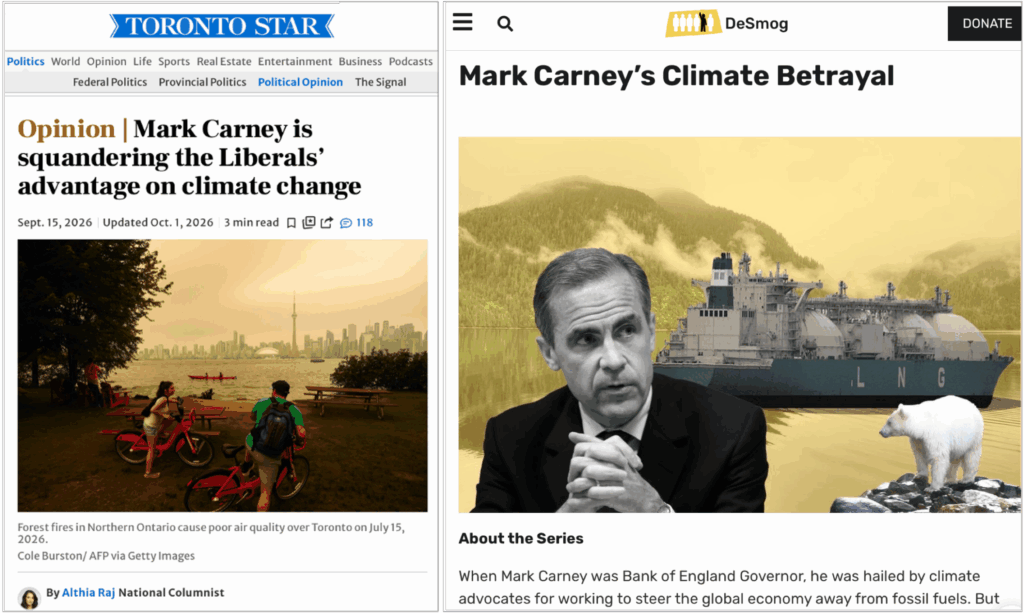
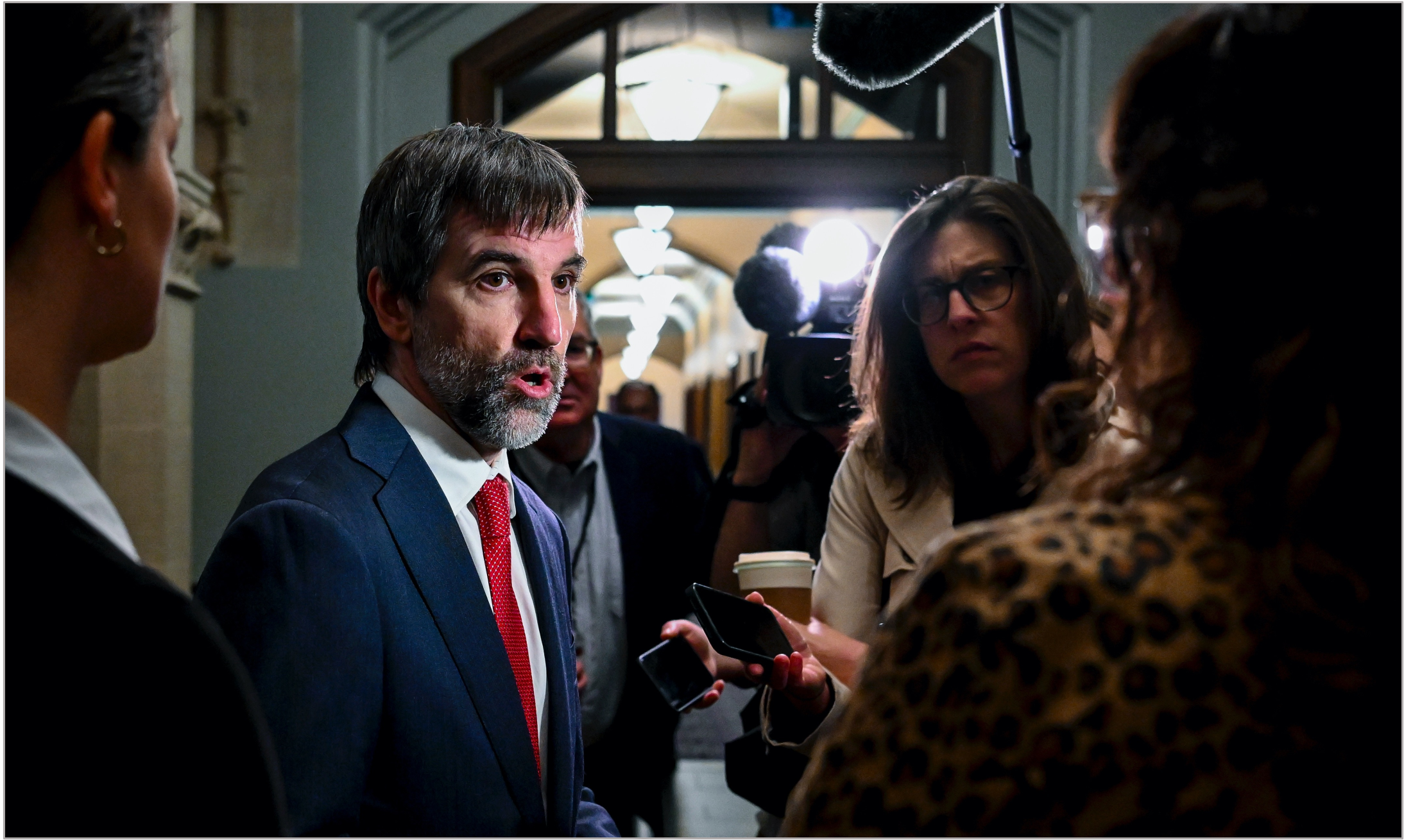
For the past year, The Globe and Mail’s environmental policy columnist Adam Radwanski has also been warning that Carney is squandering his green creds. The 2025 federal budget, Radwanski declared, “makes good on expectations” that the prime minister “is deprioritizing climate targets.” Among activist organizations the language is much sharper. The DeSmog website, for example, decries Carney’s “Climate Betrayal” and lists infidelities including that he has “fast-tracked oil and gas expansion while rolling back key environmental laws.” The most vivid demonstration of this general disgruntlement has been the resignation of Steven Guilbeault – a man openly contemptuous of Alberta and its key industry, who as Minister of Environment and Climate Change had been Trudeau’s most forceful climate warrior – first from the Liberal caucus in May and then as an MP on September 1.
At the same time, Carney has won public gratitude and/or respect from a long list of conservative voices. The Macdonald-Laurier Institute’s Heather Exner-Pirot recently described Carney as a champion of the resource sector. The debating duo of Rudyard Griffiths, co-founder of the Dominion Institute, and Sean Speer, once a policy advisor in former Conservative Prime Minister Stephen Harper’s office, promoted a recent podcast by wondering if Carney has changed his political stripes entirely to become “genuinely conservative”.
Even Alberta Premier Danielle Smith and Harper himself have given Carney kudos. For some optimists, the case is actually closed. “I think we’ve seen enough that we need to stop collectively questioning [the] government’s bona fides at this point. There’s full commitment there,” gushed Kendall Dilling, president of the Pathways Alliance, just last Friday. Pathways is the massive carbon capture and storage project that Alberta has promised Carney to indirectly “decarbonize” the heavy oil that would be shipped through any new West Coast export pipeline.
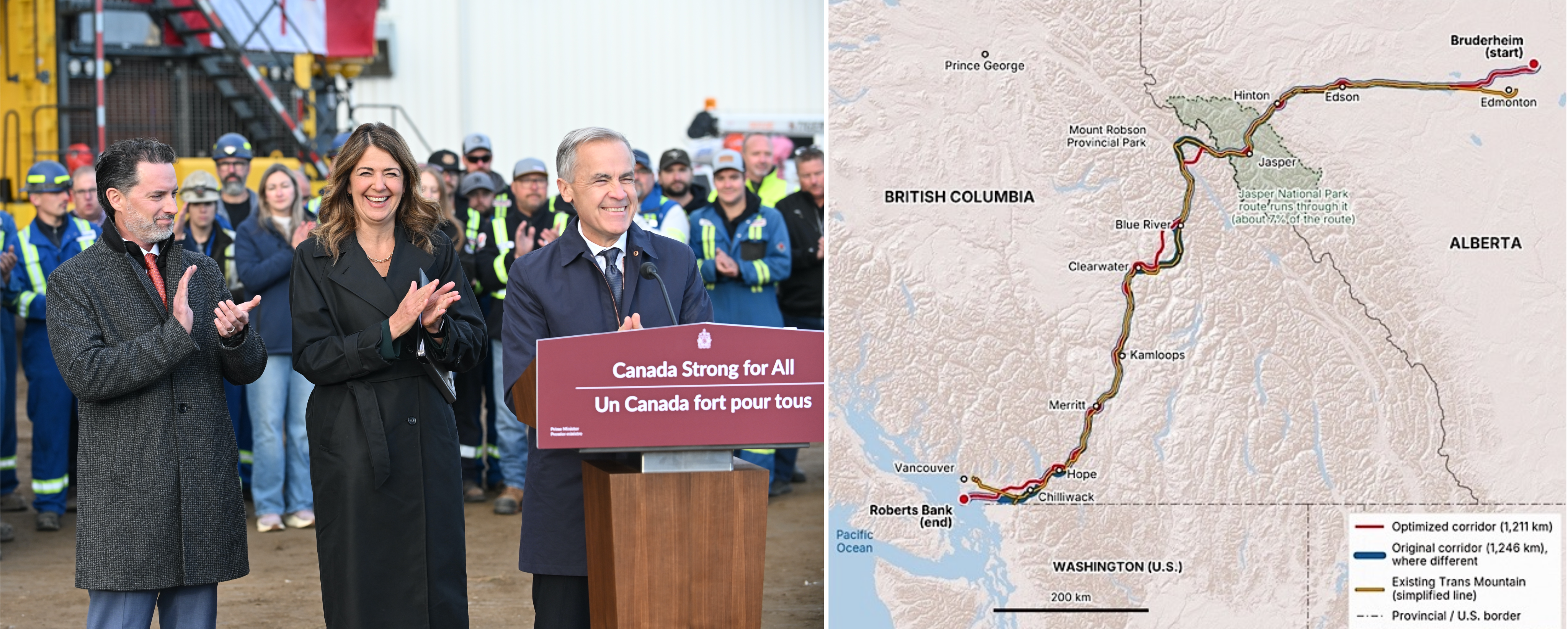
In place of Trudeau’s fixation on fighting climate change via suffocating government taxes, mandates and rules, “New Carney” has supposedly prioritized maximizing Canada’s economic potential by slashing regulations and red tape, refocusing Ottawa’s priorities and unleashing the power of capital markets. He even talks about making Canada an “energy superpower”, a term popularized by Harper that refers almost entirely to oil and natural gas.
If this is truly the case, then Carney has pulled off an improbable 180-degree pivot by abandoning his own personal commitments – expressed repeatedly and earnestly since 2015 – about the necessity of a net-zero future and the need to constrain business, destroy entire industries and reorient society to achieve it.
So which version is the real Carney?
Canada’s European Vacation
For all the hype, Carney’s recent moves need to be considered from a broader perspective. Consider, for example, that the Building Canada Strong Act does not abandon dirigiste economic management in favour of an unfettered market. Rather, it installs Ottawa and its bureaucrats in the central decision-making position, layering further laws and bureaucracy on top of the existing mountain. Only projects deemed to be in the “national interest” can be considered for fast-track approval. Market forces do not determine what gets built and what doesn’t; political considerations still reign supreme.
This is starkly illustrated in the recent announcement that Alberta will at last get its long-sought additional crude oil pipeline to the West Coast. Everything about the “Pacific Link” project is political: the previous 18 months of regulatory horse-trading between Smith and Carney and their respective ministers and bureaucrats, the announcement’s timing just before Alberta’s October 19 referendum, the conditions under which the pipeline will be built, the multi-billion-dollar “equity interest” being handed to Indigenous groups, and even the source of the required $35 billion in capital itself, at least 90 percent of which will come from federal and provincial taxpayers.
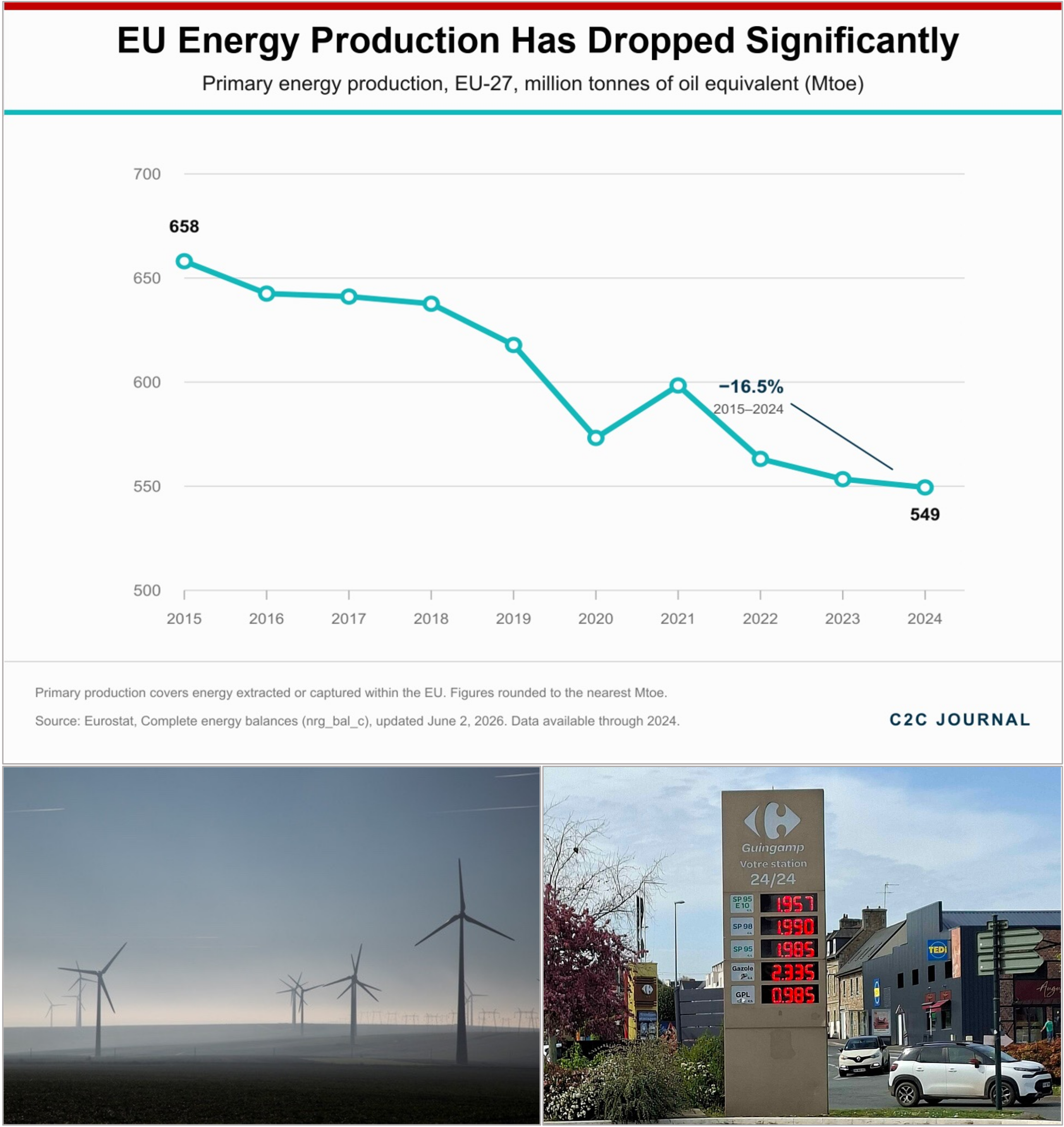
Consider also Carney’s recent French kiss with Europe. At his rapturously received speech in January at the World Economic Forum in Davos, Switzerland, he sketched out a new world order populated by resurgent middle powers, mostly the once-mighty nations of Europe. But the reason countries such as France, Germany and the UK no long count as major economic powers is mostly self-inflicted. Alongside castles and cathedrals, today Europe is best known for its high energy costs driven by aggressive net-zero policies, the intermittency of wind and solar power, heavy regulations and carbon “pricing”. Together this policy package has delivered accelerating deindustrialization.
According to Eurostat data, industrial production in the EU fell by 2.3 percent year-on-year in 2024. The capital goods sector was particularly hard hit, falling by 7.5 percent. Europe’s once-mighty energy-intensive industries like vehicle manufacturing, chemicals, steel and aluminum production, and fertilizer have all been laid low by competition from elsewhere that has access to cheaper power and a lighter regulatory touch.
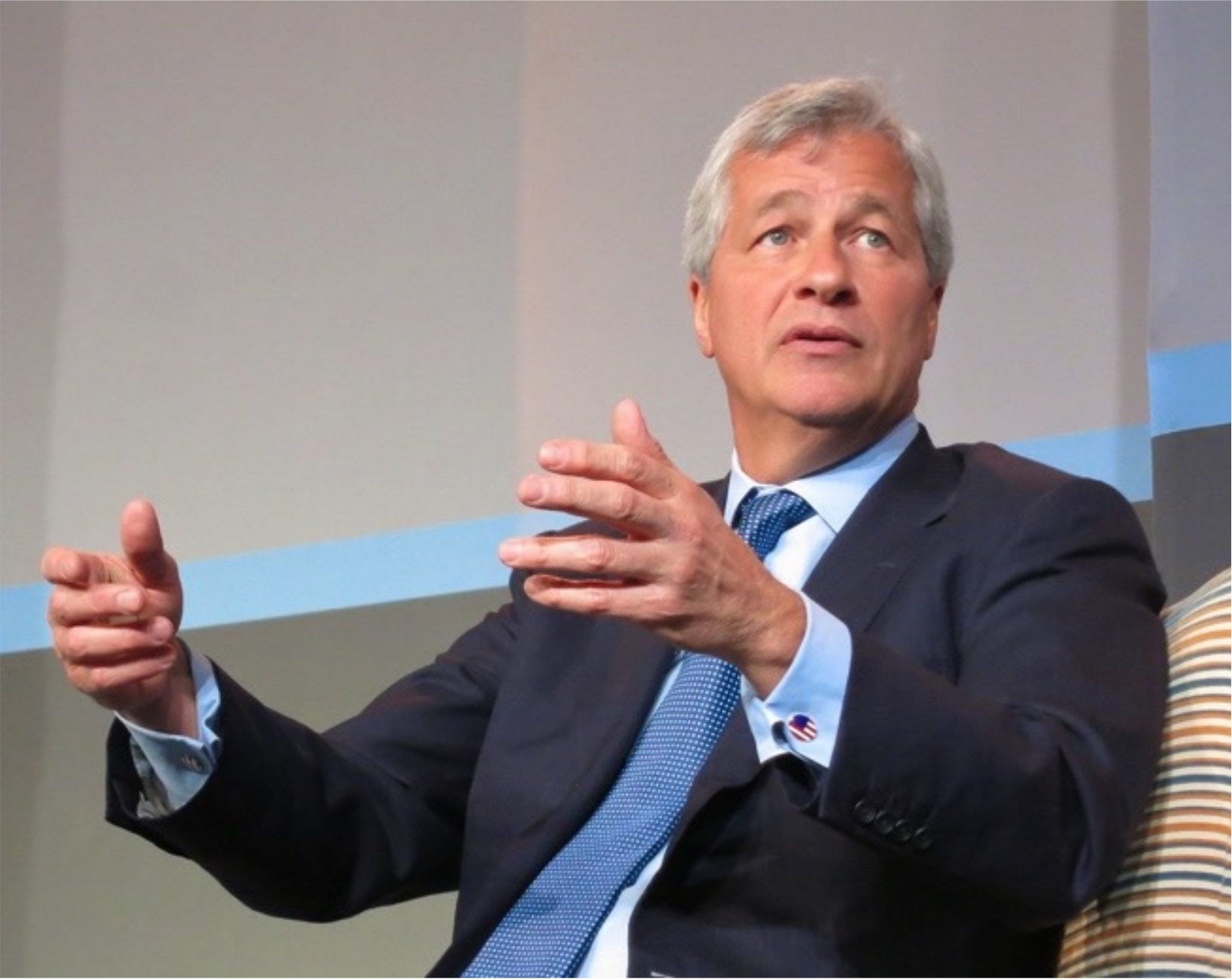
As Jamie Dimon, the plain-spoken CEO of JPMorgan Chase & Co., told a Council on Foreign Relations meeting earlier this year: “When Mark Carney said the middle powers should get together – it’s a fantasy. They did that, it’s called Europe.” Dimon pointed out that Europe’s GDP relative to the U.S. has dropped from about 90 percent to a mere 70 percent due to heavy regulation, high taxes, weak capital formation and general anti-business policies. This is all while the U.S. has been unleashing its economy, pointedly including its energy sector. And the gap is growing; estimated U.S. GDP this year will be 42 percent greater than the EU’s.
Despite the EU’s woeful economic record, and with little prospect of a U.S. trade deal in the near future, Carney has leaned hard on a European hook-up. Last month Carney and Ursula von der Leyen, President of the European Commission, promoted the idea of Canada becoming an “associate” member of the EU, a heretofore unknown category of membership. “Canada and the EU are natural partners, united by shared values,” Carney tweeted afterwards. According to a recent Leger poll, 70 percent of Canadians support the idea.
Whatever the concept actually means, it seems impossible to disentangle this multinational organization’s “values” from its overweening focus on reducing CO2 emissions. Any meaningful membership for Canada in the EU would inevitably mean aligning with its fixation on climate change. And that is decidedly reminiscent of Carney Classic.
European Green Deal
According to what is officially called European Climate Law, the 27 member states of the EU are legally obligated to become climate-neutral – what North Americans call “net zero” – by 2050. To do so, an organization or jurisdiction must reduce its greenhouse gas emissions dramatically, chiefly by slashing the use of fossil fuels, to the point where remaining unavoidable emissions can be stored or directly offset through carbon-absorbing measures such as planting trees. Merely purchasing nebulous “carbon offsets” is no longer considered acceptable.
It is a stupendously difficult objective, one that no country has come close to achieving except, in an ironic sense, Cuba – an essentially failed state where power outages now routinely last 23 hours per day. The climate neutrality challenge is compounded by the fact that many of the green activists and politicians pushing it are just as adamantly opposed to nuclear energy, whose only substantial CO2 emissions occur during the production of the materials required to construct the generating facilities.
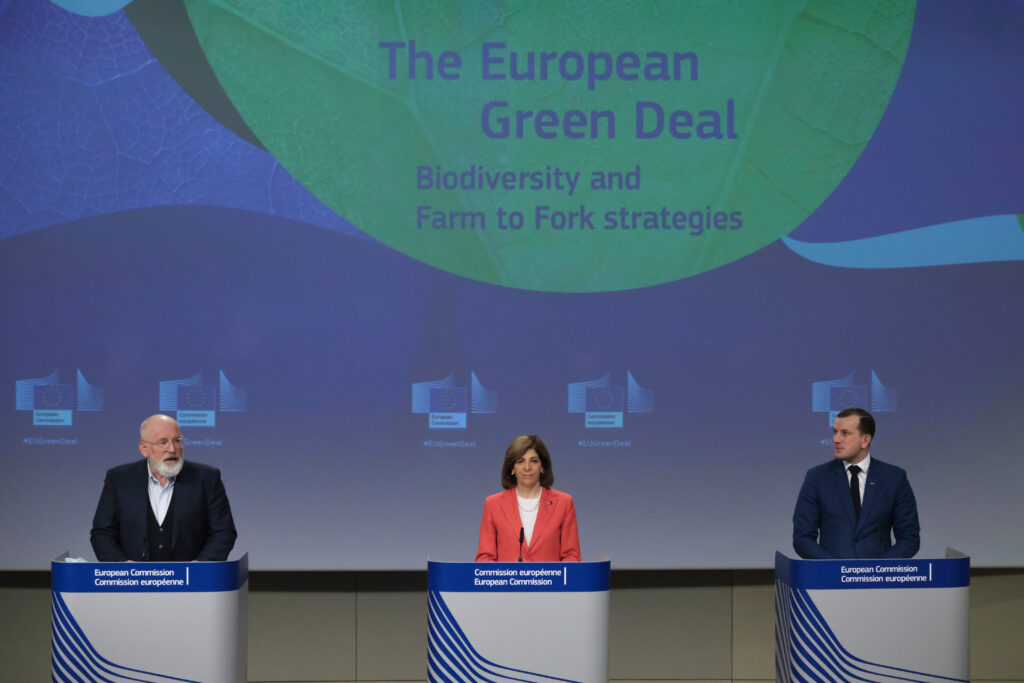 The European Green Deal, unveiled in 2019, seeks to make Europe the world’s “first climate-neutral continent” by committing to an improbable net-zero target by 2050. The 2021 Canadian Net-Zero Emissions Accountability Act proposes the same thing for Canada. (Source of photo: Alexandros Michailidis/Shutterstock)
And while you wouldn’t know it for all the belly-aching from environmentalist groups, Canada under Carney is charting the same path. The Canadian Net-Zero Emissions Accountability Act is our version of the European Green Deal. Introduced and passed when Trudeau was prime minister and Carney his economic advisor, it ties this country to the same commitment of net zero by 2050 and similarly “provides a framework of accountability and transparency to deliver on it.”
Even as Carney hosts investment summits and travels the world seeking to drum up new economic alliances, this firm commitment to net zero continues to tick away in the background like a forgotten time bomb. Keep in mind, none of the federal government’s recent announcements, including the go-ahead for Phase 2 of LNG Canada and the fast-tracking of a new Alberta-B.C. oil pipeline, would be possible if Canada eventually followed through on its legislative commitments under its existing net-zero law.
So again, which Carney is the real one? The original net-zero crusader, or the new build-baby-build capitalist? The answer may be found in examining one of Carney’s least-known but potentially farthest-reaching pet projects: Ottawa’s sustainable investment guidelines, also known as the “green taxonomy”.
Two Certainties: Death and Taxonomy
In biology, taxonomy is the way of classifying living beings based on shared traits or similar physical characteristics. The concept was conceived by the ancient Greek philosopher Aristotle to organize the fish and other creatures he found in the Mediterranean Sea. Aristotle’s early effort was dramatically expanded and systematized by 18th-century Swedish biologist Carl Linnaeus, who attempted to arrange all life forms coherently. Subsequent biologists refined Linnaeus’ breakthrough into a comprehensive biological taxonomy with five main kingdoms – animals, plants, fungi, protists and prokaryotes – and six levels within each kingdom – phylum, class, order, family, genus, species. The robust system Linnaeus initiated is still in use today.
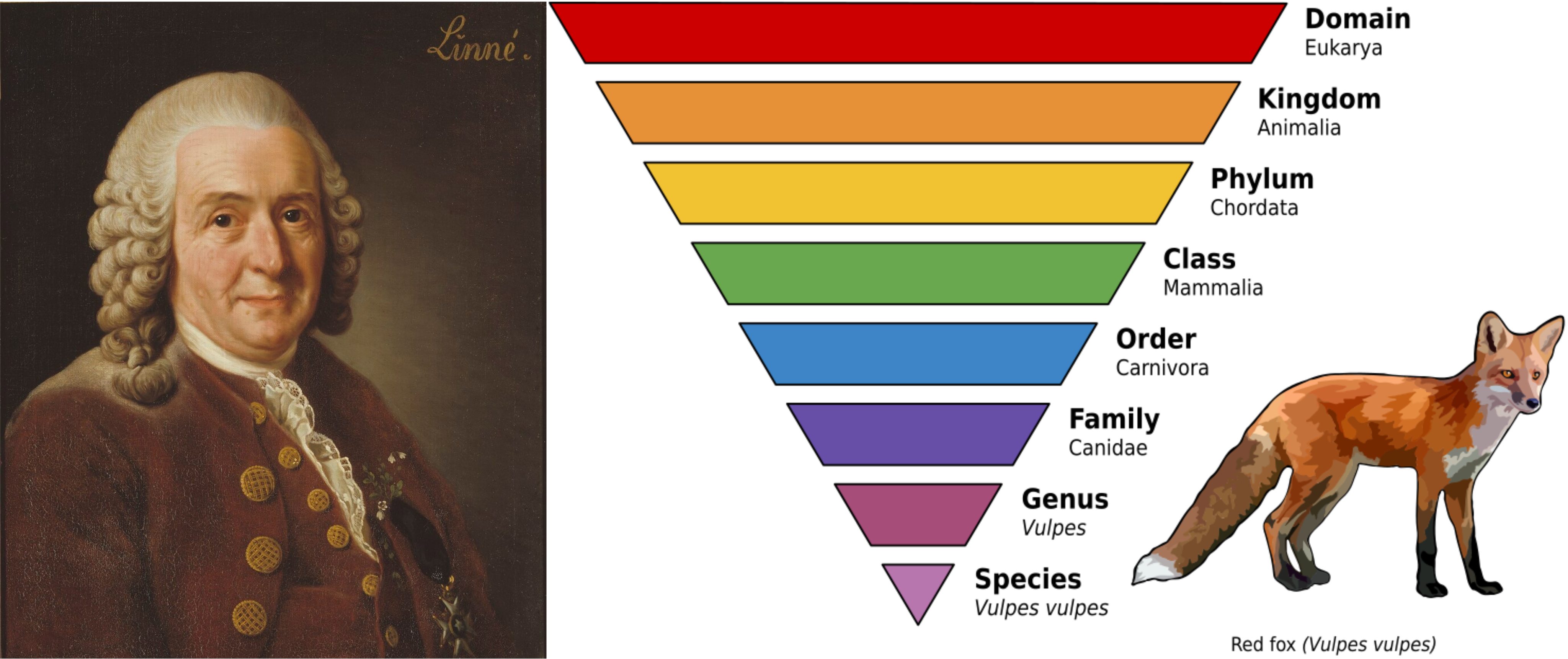
In the world of climate change finance, a “green taxonomy” places all economic activities into respective groupings based on their perceived environmental impacts. The purpose is to provide a guide to investors that steers them toward some investments and away from others. “Green”-rated investments are those that produce no ostensibly harmful emissions. These are to be promoted. “Transition”-rated activities are those that might involve some emissions today but are intended to lead to a greener future; these are less attractive investments but are permitted. As are “Abatement” efforts to ameliorate existing CO2 emissions. All other projects, even those that simply improve overall energy supplies or lower costs for consumers, are in line for a dreaded “Excluded” rating and are to be avoided by capital markets.
The world’s first green taxonomy was created by the non-profit Climate Bonds Institute in 2012 to promote the sale of “green bonds” to virtue-seeking investors. The first state-sponsored effort at such a list came three years later with the Green Bond Endorsed Project Catalogue, published under the auspices of the People’s Bank of China in December 2015. That Communist China lays claim to being a pioneer in green taxonomy seems deeply ironic, given the country’s deplorable record on pollution and environmental degradation; it also seems distinctly menacing for Canada. Europe followed suit in 2019.
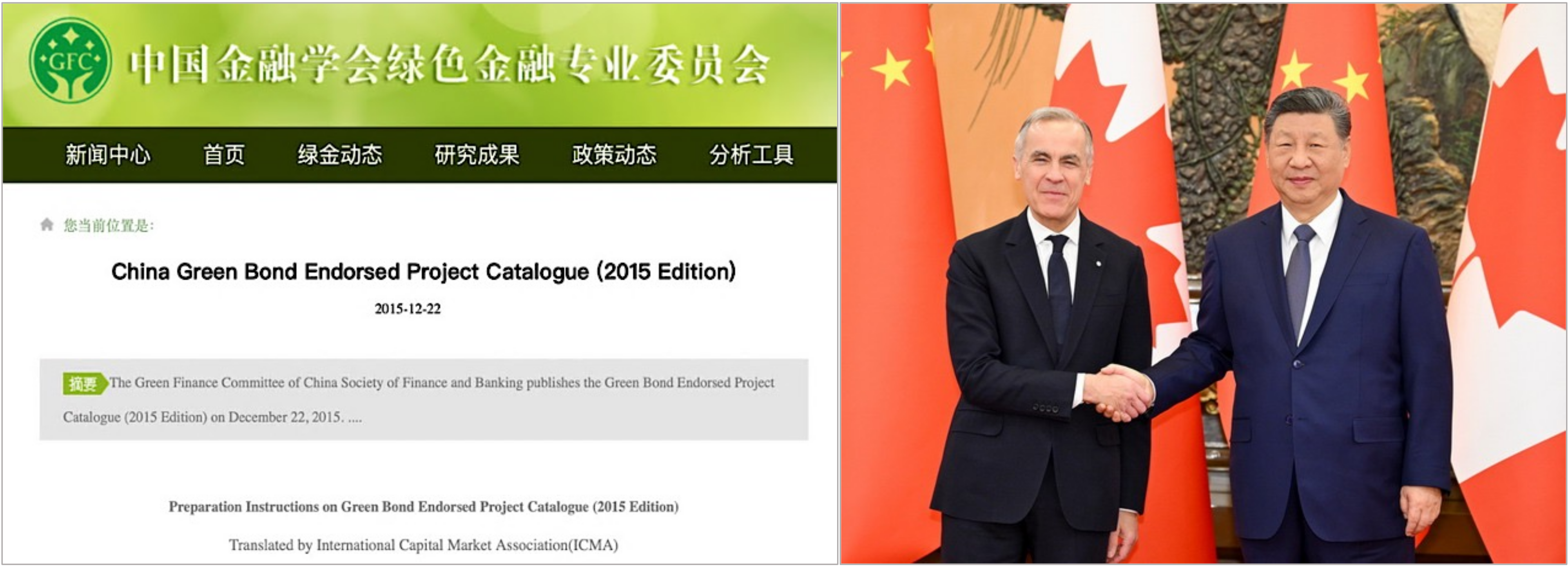
According to a December 2025 press release from the Department of Finance, Canada’s green taxonomy signals Ottawa’s commitment to “mobilizing public and private capital to promote investment in sustainability, as part of the transition to net-zero.” Currently in development, the taxonomy will be a “tool for investors, lenders, and stakeholders” to assist them in identifying “green and transition investments.”
In other words, it is meant to manipulate people’s thinking and constrain how banks, insurance companies, pension funds and other institutional investors can invest their clients’ money, in order to starve out unfavourable industries. Under Europe’s taxonomy, for example, a vehicle manufacturer can only qualify as a green-rated investment opportunity if its cars and trucks emit zero tailpipe emissions. Consider it the fine print necessary to align global finance with global climate change policies.
“A form of central planning”
Creating a green taxonomy is obviously a big, awkward job laden with conflict. Businesses naturally want to have all their endeavours rated as favourably as possible; ardent environmentalists want to exclude all but the holiest of green projects. In his famous 2015 Bank of England speech, and later in his book Value(s), Carney emphasized the significance of this controversial concept.
He remains a vocal and committed promoter. In his 2024 appearance before a Senate committee less than a year before he became prime minister, Carney warned that “Canada risks falling behind” on the taxonomy debate. “Canada should adopt, in my view, a transition planning requirement and associated taxonomy for all firms in line with the GFANZ framework,” he said. GFANZ, recall, was Carney’s own creation meant to dragoon the global financial system into his net-zero crusade.
While Canada may be behind Europe’s taxonomy efforts, it’s making up ground fast. Canada’s Sustainable Finance Taxonomy is a project organized by the Canadian Climate Institute and Business Future Pathways with federal funding. Operating without much media attention, it has been making steady progress. This year the two organizations formed a Taxonomy and Transition Planning Council, appointed its leadership and issued a draft taxonomy methodology. A public comment period on the proposal ended over the summer.
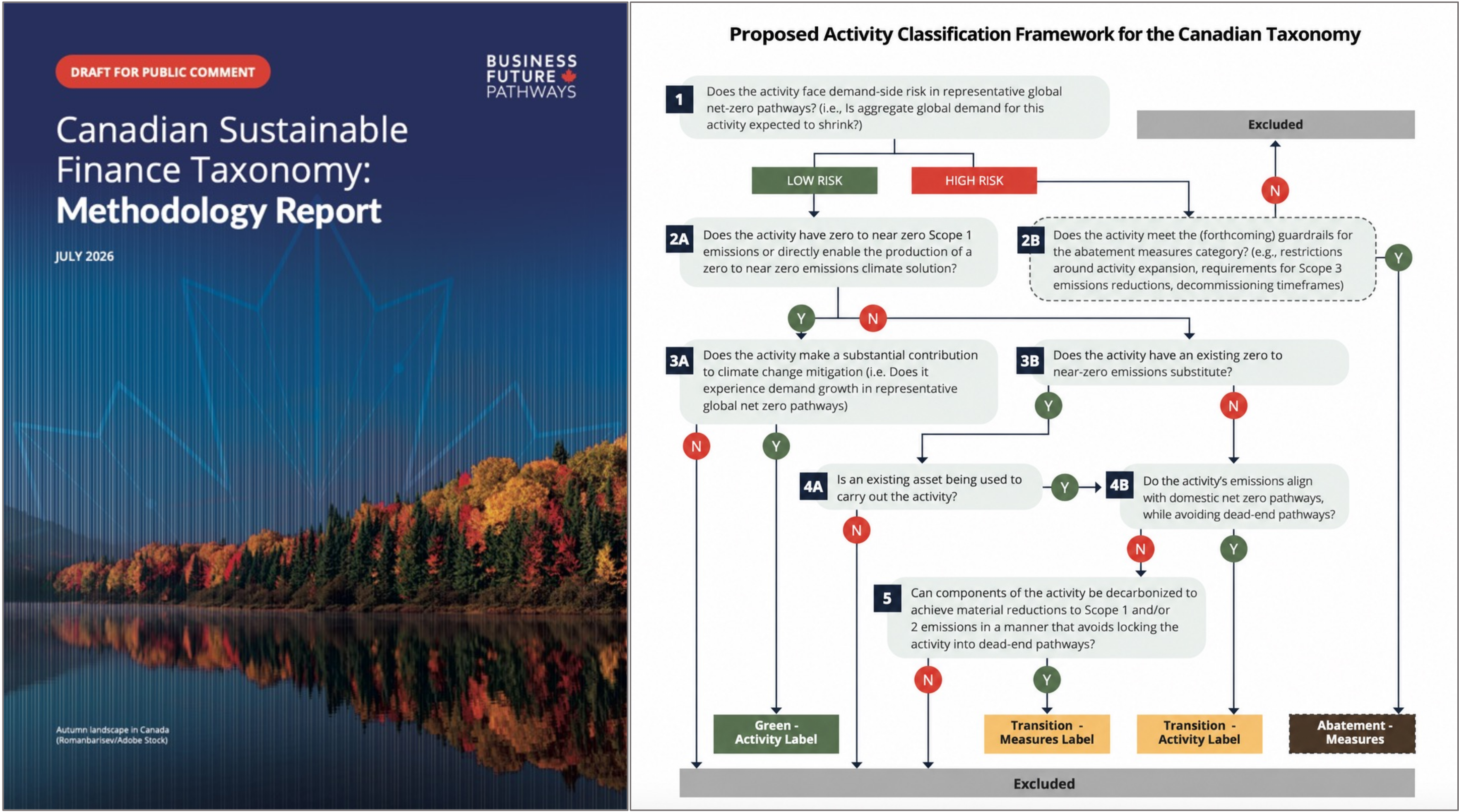
The request for public comment drew almost 200 submissions. Not all were supportive. Individual entrepreneurs and groups such as the Coalition of Concerned Manufacturers & Businesses Canada warned that a green taxonomy threatens to penalize traditional industries by acting as a “form of central planning applied to the allocation of private capital.” But many more submissions praised the idea. Among the wide range of supporters were the Canadian Bankers Association, which said its members “broadly support it.” As did the David Suzuki Foundation, though provided every business being rated could also “demonstrate strict adherence” to Indigenous rights under the UN’s contentious Declaration on the Rights of Indigenous Peoples, adding a further layer of complication to an already opaque process. Now we await the taxonomy planning council’s final recommendations.
According to initial reports, Canada’s taxonomy project will be voluntary when it first appears. If so, it will differ somewhat from the European taxonomy, which is now a legally binding component of the EU’s Green Deal. But both will still have as their core goal aligning investment capital with achieving net-zero economy-wide by 2050. And both will also make it harder for companies in the industrial and natural resource sectors to raise capital – which, remember, is the whole point of this process. It is hard to imagine any sort of integration between Canada and the EU on the financial aspects of climate policy without a merging of taxonomies.
It must also be noted that there’s no point to creating a green taxonomy at all without the intent to impose an economy-wide net-zero objective on investors. In the absence of the need to dramatically curtail emissions, investors are free to make up their own minds about where they wish to place their capital, and for whatever reasons they prefer. Only with a political mandate to achieve net zero is there a need to categorize and regulate what investors can and cannot do.

As long as the taxonomy project keeps moving along, Canadians must assume the federal Liberals remain fixated on achieving a net-zero future, however improbable or damaging that may be. And if Carney continues in this direction, he will quickly collide with – and soon negate – everything he has done in the other direction. Bye-bye, energy superpower. Hello, Alberta separatism. And perhaps Guilbeault will even ask for his old job back.
Which Carney Rules?
Given the momentum towards a Canadian green taxonomy, New Carney’s legions of fans might find themselves wondering how their hero can be whittling away at environmental regulations and streamlining megaproject approvals and at the same time laying the groundwork for a comprehensive Euro-style strangulation of the entire economy. It could, of course, be simply a case of the left hand of government not knowing what the right hand is doing. Or of the Liberal Party’s “right wing”, as instantiated by New Carney and the Prime Minister’s Office he has staffed, appeasing the remaining left wing of Trudeau acolytes in the party’s caucus.
Given Carney’s past mastery and advocacy of this file, neither of those scenarios seems likely, however. What makes more sense is that recent efforts at supporting the most critical sectors of Canada’s economy are just an opening act. The main performance lies in harnessing the entire financial system towards a far more problematic objective.
While Carney may seek to attract investors in hosting the Investment Summit and making other favourable pronouncements, Canada’s legislated net-zero-by-2050 commitments will necessarily push investment and capital away from its traditional juggernaut sectors – natural resources and manufacturing – and into businesses better aligned with the EU’s climate goals. It is a concept ripped from the playbook Carney first outlined in his 2015 “Tragedy of the Horizon” speech. Global financial systems are to be recruited to restrict access to capital by firms and industries that emit CO2.
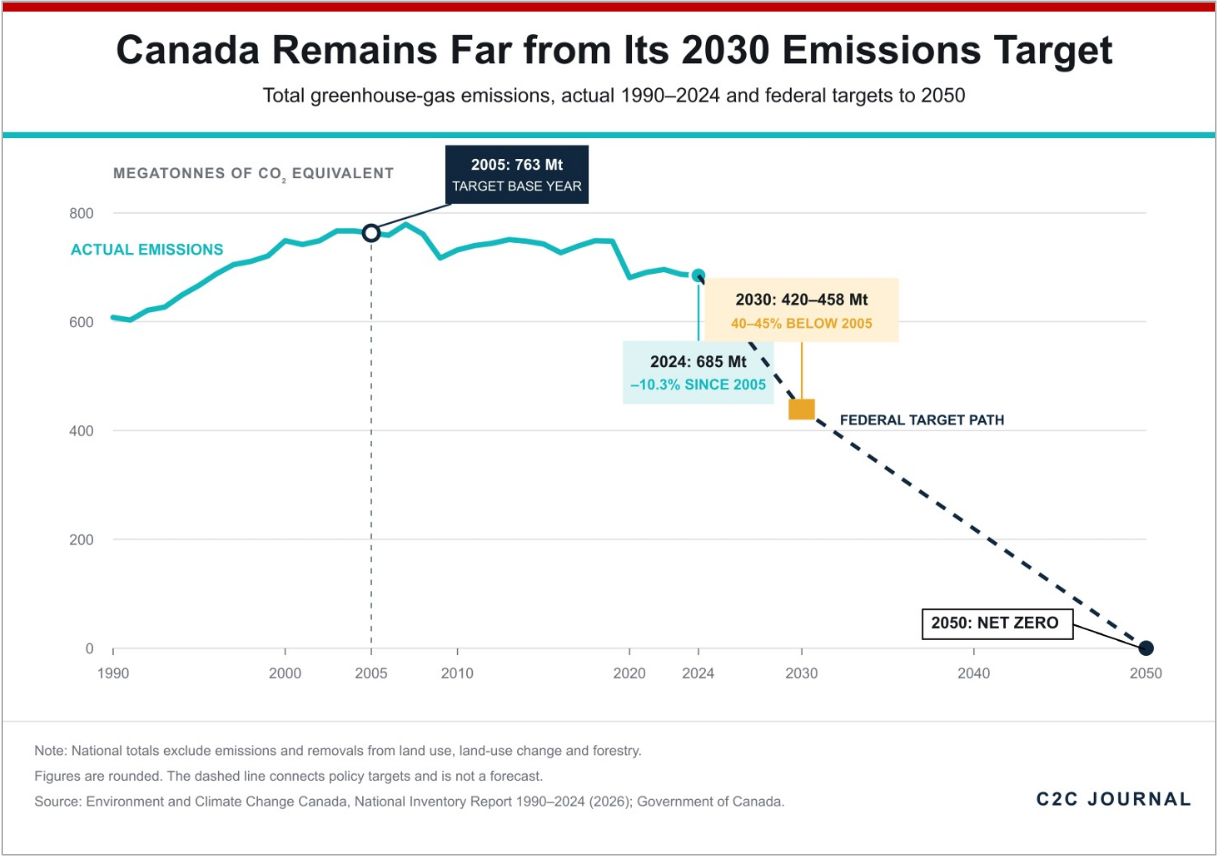
The green taxonomy process may take a while to get going. But once complete it will establish a firm mechanism for achieving net zero by 2050. In doing so, it will become impossible for Canada to keep building export pipelines and LNG facilities at the pace suggested by the early days of the Building Canada Strong Act. The math just doesn’t work. As long as net zero remains the federal government’s end goal – with the green taxonomy a critical tool in that process – Canadians will never enjoy the prosperity this country is capable of generating.
Canada can either open itself for business, or it can commit to a net-zero future. It can’t do both.
How to Really Change One’s Stripes
If Carney ultimately convinces Canadians to back his romance with Europe, he will have pulled off one of the most improbable double pivots in political history. Despite his new reputation as a conservative-minded builder of great projects, hooking up with the EU would represent a 360-degree rotation back to the original Carney 1.0 and his top-down, net-zero vision of the world. There is nothing the EU likes more than dense, suffocating regulations, especially when it comes to climate change. If, however, this scenario is incorrect and Carney is truly committed to economic growth over stagnation, then he needs to convince Canadians.
If the latter is true, here’s what Carney needs to do.
First, Carney must renounce his commitment to net-zero as a capstone goal. As of today, the Canadian Net-Zero Emissions Accountability Act remains in full effect, “requiring public participation” in Canada’s commitment to reach net-zero 24 years from now. In just four years, Canada’s CO2 emissions are supposed to be 40 percent below 2005 levels. It took the previous 21 years to reduce emissions by just 10 percent. While reaching the larger goal seems entirely far-fetched, the federal government’s continued work on a net-zero taxonomy demonstrates it still believes in the concept. All of which suggests 2030 will be a year of reckoning. Canadians deserve to know where they are heading.
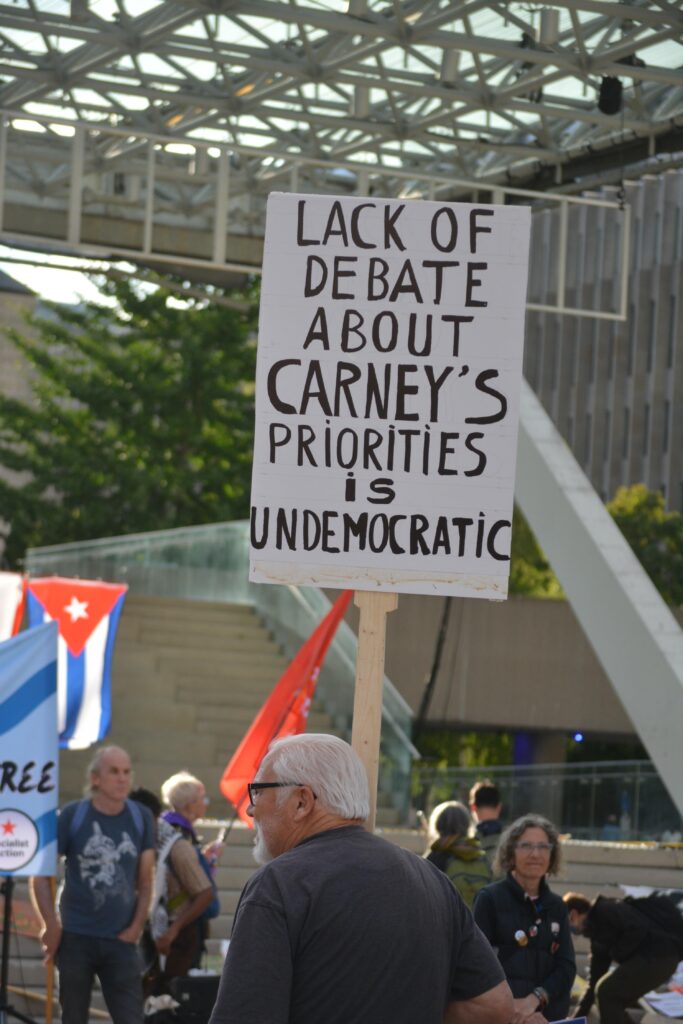
After renouncing net-zero, Carney should cancel the underlying mechanisms required to make it work. That includes taxonomy guidelines designed to damage or destroy Canada’s most abundant and productive resource industries. Oil and natural gas products make up 20 percent of Canada’s total merchandise exports. To discourage new investment in a sector so important to our nation’s economy would be reckless and destructive; it could even strand billions of dollars of previously invested capital. With Canadians already struggling with affordability, deterring additional investment will only push prices higher still. Furthermore, imposing a green taxonomy will lead investors away from our economy to the U.S. or other (non-EU) nations that show a greater appreciation for the market and less for imbuing bureaucrats with regulatory superpowers.
Finally, Carney must dispense with the notion of permanently linking up with the EU in any way. Since the 2019 unveiling of its Green Deal, the EU has become a figurative and literal wasteland for growth and development. Ideals that Carney once espoused, including net-zero and green taxonomies, are largely responsible for the grave economic problems afflicting the continent. Crises of affordability, energy dependence, food and fertilizer shortages are ravaging Europe; all are preponderantly due to policies implemented in the name of net-zero, far outweighing the effects of Russia’s war on Ukraine. Canada’s future economic growth and the prosperity of its citizens are simply incompatible with joining a continent that is increasingly outpaced by the rest of the world.
If Canada is to become a pro-growth country, the prime minister needs to do away with net-zero, refrain from imposing green taxonomies and other onerous net-zero-related regulations – particularly ones tucked into the details of grandiose project announcements – and focus on our partnerships with regions where economic growth is pursued and investment is abundant and rewarded. Once he does all those things, then maybe we can believe Carney Classic has been retired and New Carney is truly in charge.
Gina Pappano is executive director of InvestNow and was previously head of market intelligence at the Toronto Stock Exchange (TSX) and TSX Venture Exchange (TSXV).
Source of main image: DocChewbacca, licensed under CC BY-NC-SA 2.0.