
Institutional Betrayal

City Journal
October 5, 2026

Writing in City Journal, Ilya Shapiro considers Canada’s expanding habit of cancelling anyone with unpopular opinions in his review of Collin May’s new book From Cancel Culture to Incarceration Culture: Prosecutorial Democracy and the Future of Cancellation. Shapiro notes the book carries “unusual immediacy” since May knows of what he writes, having lost his position as chair of the Alberta Human Rights Commission due to politically motivated complaints about a C2C Journal essay he wrote 13 years earlier. For more on May’s journey, see this C2C article.

Love C2C Journal? Here's how you can help us grow.

More for you

India’s Uneven Schooling System

Judging by the number of high-profile Indian-born global tech leaders, one might assume India’s education system is second to none. But as Lipton Matthews reveals in American Greatness, the results are hardly comprehensive. Nearly three out of four rural school children are unable to do even simple math. “The Indian professionals who rise to the top of Google or Microsoft are not a representative sample…they are survivors of an unusually harsh selection process,” Matthews observes. For more on India’s rise to greatness, see this C2C article.

New Romantics and How to Stop Them

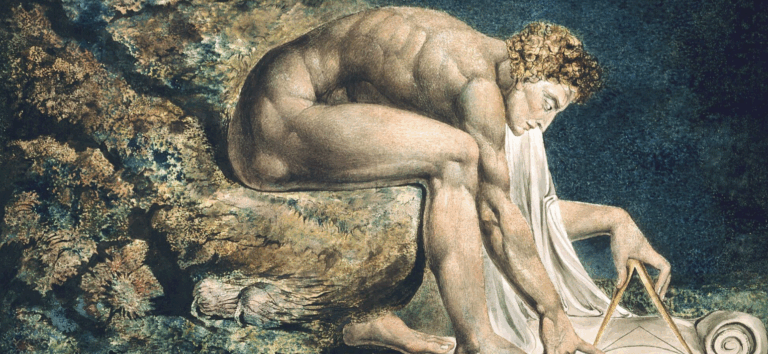
Writing in Law & Liberty, Josh Appel argues that fending off insurgent leftwing populists today requires a close understanding of the Romantic Era during the late 18th century. “In their counterrevolution against rationalism, the Romantics…prized instinct, emotion, and passion above all else,” he writes. This can be an intoxicating argument, Appel admits, but it’s no way to run a government. To take back power, modern conservatives must prove why “liberal constitutional order is ultimately far superior.” For more on the links between then and now, see this C2C article.

Keeping the AI Apocalypse at Bay

Writing in City Journal, Judge Glock examines legal efforts to control AI and dismisses the current fixation on suing for specific harms, such as bad advice. “The idea that we should treat Big Tech, including AI companies, like we treated Big Tobacco, is exactly the wrong idea,” he observes. A better approach is to assess product liability based on which parties can perform the task at the cheapest cost, as is the case with the regulation of medical equipment. This “has the benefit of putting the onus on companies themselves to game out dangerous scenarios and prevent them,” he advises. For more on AI, see this C2C article.

Moscow’s Bayonet

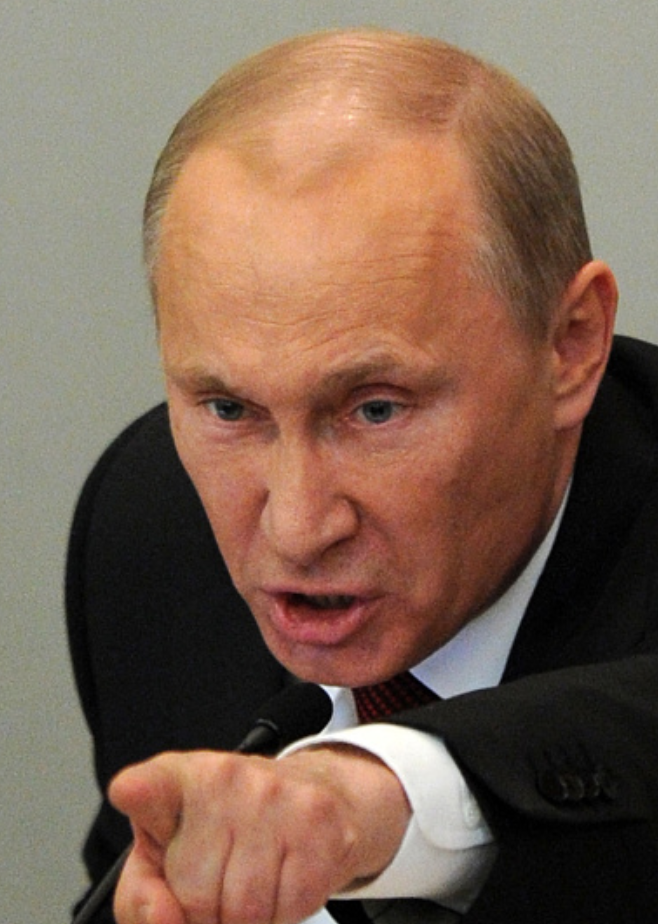
U.S. Navy Admiral James Stavridis (ret’d) explains in Jewish World Review how Russian President Vladimir Putin still poses an existential threat to NATO, despite Russia’s current preoccupation with its war in Ukraine. Over the next few years, he warns, an aggressive Putin is likely to attempt a variety of covert or special forces operations in the Baltics, including in Latvia where Canada has 3,000 troops stationed. “If the Russians probe with a bayonet and encounter mush, they will likely keep going. If they find steel, they will withdraw,” he predicts. For more on Putin’s implications for Canada, see this C2C article.

India’s Uneven Schooling System

Judging by the number of high-profile Indian-born global tech leaders, one might assume India’s education system is second to none. But as Lipton Matthews reveals in American Greatness, the results are hardly comprehensive. Nearly three out of four rural school children are unable to do even simple math. “The Indian professionals who rise to the top of Google or Microsoft are not a representative sample…they are survivors of an unusually harsh selection process,” Matthews observes. For more on India’s rise to greatness, see this C2C article.
New Romantics and How to Stop Them

Writing in Law & Liberty, Josh Appel argues that fending off insurgent leftwing populists today requires a close understanding of the Romantic Era during the late 18th century. “In their counterrevolution against rationalism, the Romantics…prized instinct, emotion, and passion above all else,” he writes. This can be an intoxicating argument, Appel admits, but it’s no way to run a government. To take back power, modern conservatives must prove why “liberal constitutional order is ultimately far superior.” For more on the links between then and now, see this C2C article.

Keeping the AI Apocalypse at Bay

Writing in City Journal, Judge Glock examines legal efforts to control AI and dismisses the current fixation on suing for specific harms, such as bad advice. “The idea that we should treat Big Tech, including AI companies, like we treated Big Tobacco, is exactly the wrong idea,” he observes. A better approach is to assess product liability based on which parties can perform the task at the cheapest cost, as is the case with the regulation of medical equipment. This “has the benefit of putting the onus on companies themselves to game out dangerous scenarios and prevent them,” he advises. For more on AI, see this C2C article.

Moscow’s Bayonet

U.S. Navy Admiral James Stavridis (ret’d) explains in Jewish World Review how Russian President Vladimir Putin still poses an existential threat to NATO, despite Russia’s current preoccupation with its war in Ukraine. Over the next few years, he warns, an aggressive Putin is likely to attempt a variety of covert or special forces operations in the Baltics, including in Latvia where Canada has 3,000 troops stationed. “If the Russians probe with a bayonet and encounter mush, they will likely keep going. If they find steel, they will withdraw,” he predicts. For more on Putin’s implications for Canada, see this C2C article.

Share This Story

Donate

Subscribe to the C2C Weekly
It's Free!