Few intellectuals can match the extraordinary popular success of Israeli historian Yuval Noah Harari. In two best-selling books, Sapiens and Homo Deus, he tackles the big questions about the human condition and its future. Harari’s wide-ranging, macro-histories have clearly struck a nerve with the public. Yet his account of our collective past assumes that the biological, scientific version of human nature provides the true and full explanation of what we are. Writing in City Journal, Sir Roger Scruton notes that Harari’s reductive view of history skirts the rather gaping matters of human self-consciousness and self-awareness. In the end, writes Scruton, Harari’s histories are about homo without the sapiens.
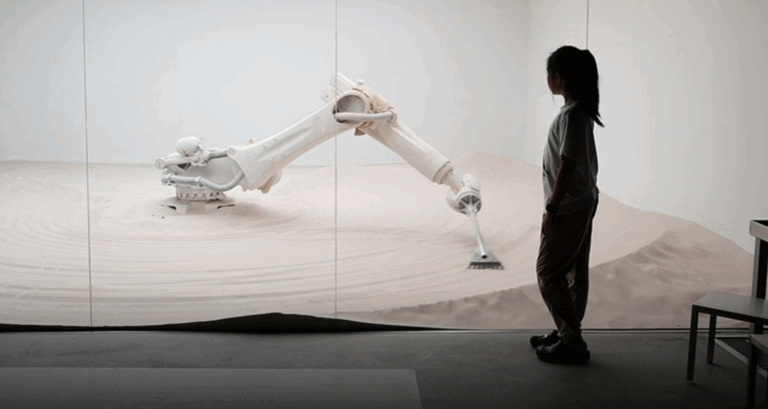
Keeping the AI Apocalypse at Bay
Writing in City Journal, Judge Glock examines legal efforts to control AI and dismisses the current fixation on suing for specific harms, such as bad advice. “The idea that we should treat Big Tech, including AI companies, like we treated Big Tobacco, is exactly the wrong idea,” he observes. A better approach is to assess product liability based on which parties can perform the task at the cheapest cost, as is the case with the regulation of medical equipment. This “has the benefit of putting the onus on companies themselves to game out dangerous scenarios and prevent them,” he advises. For more on AI, see this C2C article.