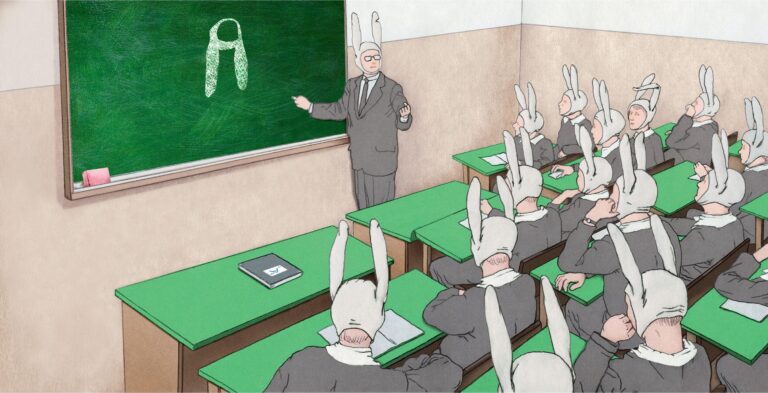

One of several darkly satirical photo illustrations that began circulating in Alberta soon after the NDP victory.
The day after the NDP swept to power in Alberta the TSX dropped by over 150 points, largely due to instability in Canadian energy stocks.
The CEO of Bonterra Energy has already indicated they’re reconsidering investments in Alberta and investment guru Kevin O’Leary compared the NDP’s victory to a “horror movie unfolding.”
The end results of destructive NDP policies are well known; their party has left a trail of economic carnage across Canada. One can imagine the damage they could cause not only to Alberta’s economy, but right across our great country.
If that scares you, know that something even worse could happen: the re-election of an NDP government in Alberta.
I write this column as someone who endured much of the NDP’s current 16-year run in Manitoba. While the NDP are quite inept at governing, readers should know they’ve become quite skilled at rhetoric, media manipulation and bullying opponents. As you read this column, NDP apparatchiks from Manitoba and other parts of the country are polishing their resumes and making the pilgrimage to Edmonton.
While Notley will have many rookie MLAs in her caucus, her team will include several veterans including long-time federal NDP boss Brian Topp as chief of staff. Conservatives cannot count on Premier Rachel Notley and crew to simply fall apart and wait for the Wildrose or Progressive Conservatives to pick up the pieces.
That of course begs the question – how can grassroots conservative-minded activists prevent multiple NDP terms?
In my opinion, we need a single, credible alternative to the NDP in Alberta.
After moving to Alberta earlier this year, I learned that former colleagues from Gary Filmon’s PC government (Manitoba) and Mike Harris’s PC government (Ontario) were busy helping out the PC Party of Alberta. Several new colleagues and friends were also involved on the PC campaign as well. This news contradicted what I had been told previously: “all the real conservatives left the PCs.”
On the Wildrose side, a former colleague (Derek Fildebrandt) was elected as an MLA and plenty of other friends and colleagues were helping the party in various capacities.
As an outsider, the situation didn’t make much sense at all – it reminded me of the old Reform (and subsequently Canadian Alliance) split with the federal Tories back in the day.
I understand why the split occurred in Alberta – I don’t agree with many of the decisions by the PC government in the last several years either. However, in my opinion, now is not the time to dwell on the past, but to learn from it and work together at building a united small ‘c’ conservative alternative. Based on the people I know in both camps, it’s obvious to me there’s more that unites us than divides us.
Without a doubt, mistakes were made when Danielle Smith and several Wildrose MLAs crossed the floor in what was positioned as a merger. The impulse to unite the right is sound, but it has to be done through a democratic process. Wildrose supporters are still understandably upset about what happened. However, isn’t the risk of a two-term NDP government a good reason to let go of the past?
Some Wildrose supporters seem to be counting on the PCs to simply ‘wither away on the vine,’ leading to a single alternative to the NDP. Some PCers still seem to think they have a divine right to govern. However, hoping your opponent self-destructs is not a plan by any stretch of the imagination.
One can’t ignore the fact that Alberta’s PC Party earned 28 percent of the popular vote in the recent election; four percent more than the Wildrose Party. Despite all the damage the PC brand endured during the Redford era, the ‘time for change’ mood, and some recent gaffes by Jim Prentice, 28 percent of voters still voted PC – incredible brand loyalty under the circumstances.
The party also has loyal donors, volunteers and a toehold in urban constituencies. To count the PCs out at this point is premature. Even if the PCs only earn 15 percent of the vote in the next election, it would still likely be enough to split the vote and lead to a second NDP term.
It also cannot be ignored that the combined vote of the PCs and Wildrose in the recent election would have been enough to unseat 26 new NDP MLAs. I realize the math for such mergers is never that easy, but the electoral results coming from the federal merger speak for themselves.
To be sure, the Wildrose Party deserves credit for their efforts as an effective opposition party and their remarkable comeback after losing their leader due to floor-crossing last December. However, we should all reflect on the reality that Albertans chose the NDP to form the next government and not the Wildrose. Perhaps the Wildrose still requires another election cycle or two to reverse the negative first impression they left after some erratic comments by candidates in the 2012 election? Who knows? That’s not a gamble I want to take; time is of the essence. In fact, we may see the consequences of conservative division yet again in the Calgary Foothills by-election later this year.
The barbarians have breached the gates and are now in a position to throw socialist wrenches into the gears of Canada’s economic engine. Albertans can’t afford two terms with the NDP while squabbles continue at the grassroots level. For that matter, Canada can’t afford it either.
~
Colin Craig served as the Canadian Taxpayers Federation’s Prairie Director for seven years in Winnipeg and currently works for the Manning Centre in Calgary.