Ethelred the Unready, King of England at the turn of the 10th Century, wasn’t just lacking in preparedness. He was also slow to figure things out. In AD 991, his kingdom was again visited by Viking raiders who’d repeatedly pillaged the English coast. This time, however, the invaders from Denmark said they could be convinced to turn around and go home if they were given a “geld”, or tribute, of ₤10,000 in gold and silver. Ethelred took them up on their offer and paid the geld.
Three years later the Danes returned – this time demanding ₤16,000 to go away. Which was again paid. By AD 1002, the payment was up to ₤24,000, and then ₤36,000 five years after that. The futility of Ethelred’s attempts to make his problems go away by repeatedly caving to his attackers’ demands led Victorian-era poet Rudyard Kipling to pen his oft-quoted line, “That if once you have paid him the Dane-geld; You never get rid of the Dane.”

A recent legal decision from the British Columbia Supreme Court brings to mind Kipling’s warning. As regular C2C Journal readers know, B.C. leads the country in court decisions and government policies that seek to achieve “reconciliation” by acceding to whatever radical demands are made by Indigenous groups. The key feature of this process – unending acquiescence via court rulings, legislation, policy and “nation-to-nation” agreements, many of them hashed out in secret and later sprung on a citizenry that had no say in the matter – has become like a modern form of Dane-geld. And with the same unfortunate result.
As King Ethelred discovered, whatever you pay is never enough. Rather, each “payment” of legal and/or public-policy tribute provokes still greater demands in the future while eroding Canada’s negotiating position the next time around. All of which is causing the slow-motion destruction of our economic and social wellbeing and the diminution of Canada’s national sovereignty.
The most damaging legislative example of this process has been the enshrining of the United Nations Declaration on the Rights of Indigenous Peoples (UNDRIP) into B.C. and federal law. But B.C. courts have wrought their own havoc with bizarre decisions that weaken key economic and legal precepts. They have tossed aside the key modern-day principle of state neutrality in religion by approving mandatory native spirituality ceremonies in public schools. Provincial judges have also ruled that the normal progress of civilization can be considered a treaty violation and that imaginary “supernatural dens” can be considered an objective reality sufficient to upend provincial laws. Even more significantly, the now-notorious 2025 Cowichan ruling revealed that fee-simple land ownership, the bedrock of Canadians’ property rights, can be pushed aside by aboriginal title on the strength of mere historical hearsay and second-hand notes.
As if all of this weren’t enough, now comes another cataclysmic threat to the coherence of Canada’s legal system: the case known as Metlakatla First Nation v. Prince Rupert Port Authority. Here the courts appear ready to erase another fundamental aspect of economic life in Canada – the sanctity of contract law. Though it concerned only a jurisdictional matter rather than settling the overall dispute, the January 2026 decision could prove to be Canada’s most dangerous Dane-geld yet.
Payment Due
The Metlakatla First Nation (MFN) is one of over 200 Indigenous communities in B.C. In 2021, it had a population of just 1,102 people living near the port city of Prince Rupert. Despite its tiny size, provincial and federal laws requiring a duty to “consult and accommodate” plus the ever-evolving concept of aboriginal title have given the Metlakatla a functional veto over resource development throughout their “traditional territory” that covers a vast swath – as much as 200,000 square km – of northern B.C.
The MFN exploits its hammerlock by demanding what amounts to Dane-geld from local resource projects. The tribute can take many forms: outright cash payments, job or contract guarantees, equity interests and other financial payments and/or benefits. For those who choose not to pay, the MFN makes frequent use of the courts and a cadre of expensive Vancouver lawyers who can delay or stymie any developer foolish enough to deny their clients their geld.
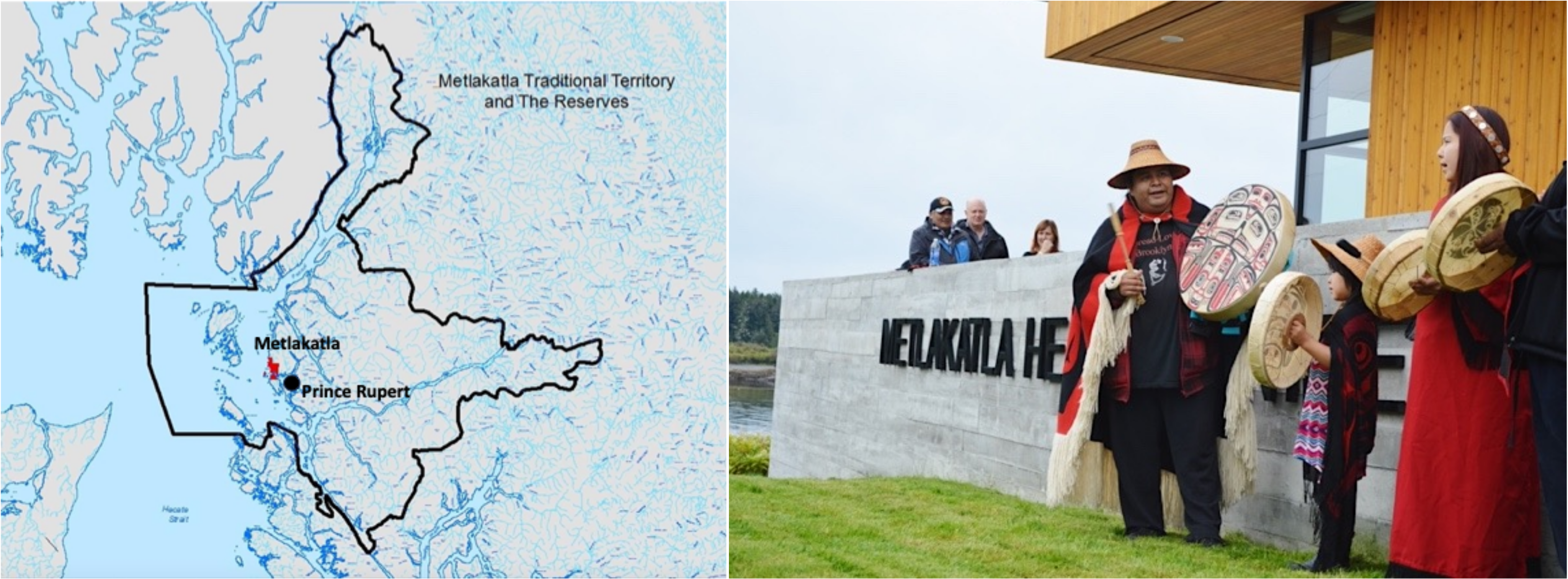 Nice work if you can get it: The Metlakatla First Nation (MFN), a community of just 1,100 people near Prince Rupert, B.C., holds a de facto veto over all resource projects in its vast “traditional territory” (shown at left); securing the MFN’s consent for such projects can entail millions of dollars in cash payments, equity shares and other financial benefits. (Sources: (map) iaac-aeic.gc.ca; (photo) metlakatla.ca)
The record demonstrates that no resource project in the area can proceed without some form of payment to the MFN being made by taxpayers and/or industry. While some acknowledge or even celebrate this as supporting Indigenous reconciliation, what it really means is that the tribe – and effectively all of B.C.’s First Nations – exercise discretionary control over the Crown’s interests in the province. If a government needs to ask permission from another group to do anything on its lands, then it is not the sovereign master of its own house. It might not even own that house. The implications could hardly be more profound.
Even Global Commodities Giants Should Read the Fine Print
The current lawsuit concerns the operation of the Prince Rupert Port Authority (PRPA), incorporated by the federal government in 1997 to own and operate the port of Prince Rupert. While it is a Crown corporation, when the PRPA enters into negotiations with its tenants regarding the movement of cargo or any other activity on its property, it does so as a normal, private commercial actor.
In 2015, the PRPA entered into a development agreement with Vopak Development Canada Inc., (a subsidiary of Holland-based Royal Vopak, a global provider of port infrastructure) and Calgary-based AltaGas Ltd. The two companies plan to jointly build and run Ridley Island Energy Export Facility, or REEF, on the PRPA premises. REEF is intended to export valuable petroleum derivatives to growing Asian markets, primarily liquefied petroleum gas (LPG or propane), as well as butane, methanol and diesel fuel.
As part of its deal with the port authority, REEF negotiated exclusive rights to handle propane at Prince Rupert. As is common commercial practice, the specifics of this monopoly arrangement, as well as the rest of the deal, were confidential. In mid-2024, after the project received all necessary federal and provincial approvals, the proponents made their final investment decision to proceed. REEF is scheduled to begin operating next year. Total cost: $1.3 billion.
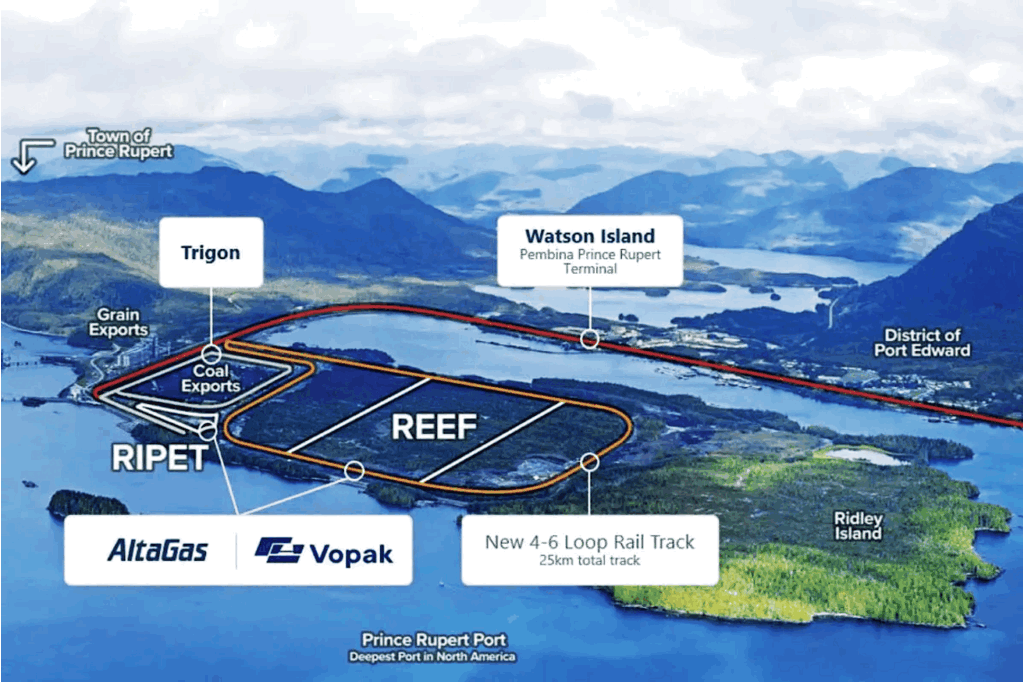
In another common commercial practice, in 2018, the PRPA and REEF began consultations with native groups that might be affected by their plans. This is mandated by jurisprudence which reads this obligation into Canada’s Constitution Act, 1982. Lasting five years, the consultations resulted in an impact benefit agreement for the MFN. While that deal’s size and terms remain confidential, REEF says it has provided a combined $350 million in economic benefits to the six First Nations involved in the project.
Separately from the REEF project, in December 2019 the Government of Canada sold the bulk cargo export facility Ridley Terminals, a longstanding tenant at the Prince Rupert port, to an Australian subsidiary of American Metals & Coal International, Inc. (AMCI) and Riverstone Holdings LLC, a New York-based private equity firm. Ridley Terminals was later renamed Trigon Pacific Terminals Limited. Under the deal, Trigon’s lease with the port limited it to exporting specific, listed commodities such as coal and coke, which were then its core business.
LPG was not on the lease’s list of approved products. To handle LPG, Trigon would need explicit permission from the PRPA, the port’s owner. It is difficult to envision how the two purchasing firms, global giants with teams of high-priced international lawyers, could have remained unaware of this critical provision throughout their due diligence process preceding the 2019 purchase.
The formation of Trigon itself was a form of Dane-geld, as the MFN and the nearby Lax Kw’alaams bands each received a free five percent equity interest in Trigon, making them partners in the project – a move that would prove propitious. In 2023, Trigon asked the PRPA to amend its permitted use list to include LPG. This was a matter of some urgency, given an announcement by the Liberal government of Justin Trudeau that it intended to ban Canadian exports of thermal coal by 2030 – potentially devastating Trigon’s core business. Because of its previous export monopoly agreement with REEF, however, the PRPA quite properly refused Trigon’s request. At which point the legal fireworks began.
What Part of “Contract” Don’t You Understand?
After being rebuffed in its initial effort to get into the LPG business, Trigon and its new partner MFN launched a two-pronged strategy to become a competitor to REEF. First, in late 2023, Trigon sued the PRPA seeking to have REEF’s LPG export monopoly declared illegitimate, a legal action that appears more strategic than practical. The following year, the MFN raised the spectre of aboriginal rights by suing the PRPA, claiming damages for “failing to adequately consult” with it on the LPG project. Specifically, the Metlakatla claim the port authority as an agent of the federal Crown had a fiduciary obligation to disclose the existence of its confidential export agreement with REEF as part of its five-year-long native consultation process. This second lawsuit raises some very serious concerns.
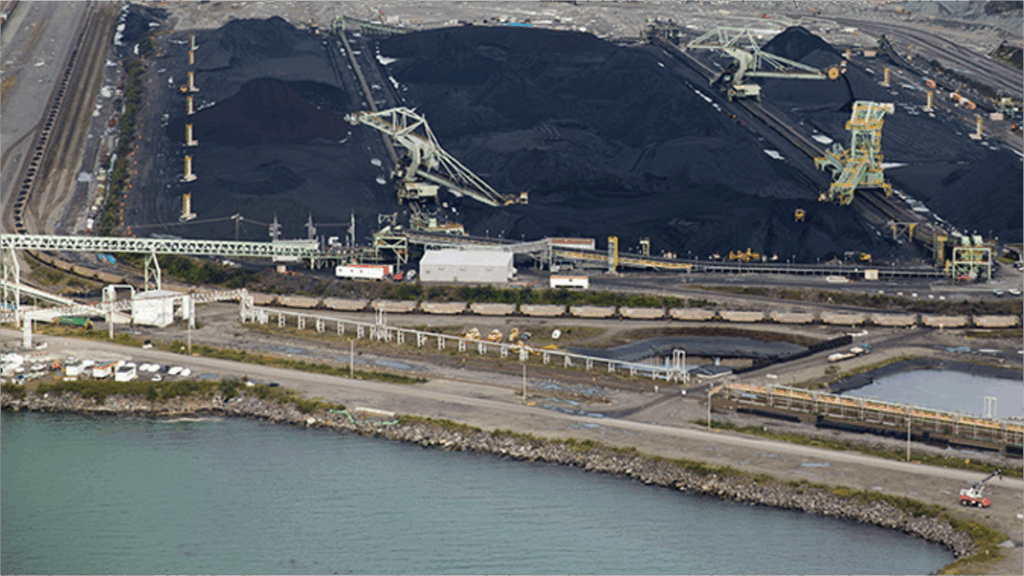
The MFN claims it would never have consented to the REEF project had it known about the monopoly provision. Bringing aboriginal law into the case, the MFN asserted that the PRPA’s duty, as an agent of the federal Crown, to consult and accommodate the MFN required it to reveal the terms of the REEF deal – even though this would have caused the PRPA to breach its contract with REEF. The MFN is basically saying that a duty to consult overrides any contractual obligations a Crown corporation may have with any other non-native organization or business.
In May 2024, notwithstanding the ongoing lawsuits, REEF announced it was proceeding with its fully-approved project. Meanwhile, despite having no authority or permission to handle LPG, Trigon barged ahead with plans for its own $750 million LPG facility at the port. Trigon also engaged in an unsuccessful public relations effort to get the federal Liberals to force the PRPA to reverse its decision and allow Trigon to handle LPG. Again, this despite the Prince Rupert facility having an unambiguous and perfectly legal contract with REEF on this matter. Trigon’s website, incidentally, brusquely bills the company as an LPG exporter.
As Trigon’s multi-pronged attack turns on the confidentiality of REEF’s monopoly clause with the PRPA, it is significant that when Trigon tried to get an unredacted copy of the agreement, it was rebuffed in a B.C. court and then again on appeal. The Court of Appeal for B.C. held that releasing the document would “harm” REEF’s commercial interests by providing a competitor with “a ‘window’ into its project management system and highly confidential information.” This ruling by the province’s highest court supports the sanctity and confidentiality of REEF’s contract. As such, it appears to undermine Trigon’s original lawsuit seeking to effectively nullify that agreement. (Trigon has since sought leave to appeal that decision to the Supreme Court of Canada.)
 By mutual consent: The essence of contract law, as the classic textbook Anson’s Law of Contract explains, rests on the ability of two or more parties to come to a mutually beneficial agreement. This “freedom of contract” is paramount to a functional, modern economy.
Indigenous rights proponents will argue that once aboriginal title is recognized or ceded, the Crown must vacate the jurisdictional space and allow native law to govern, giving the title-holder exclusive right to use and control the land. This has been argued in relation to the recent “Rising Tide” Haida Title Lands Agreement concerning B.C.’s former Queen Charlotte Islands. From this perspective, the new titleholder need not be bound by any agreements made by the previous occupiers – which quite likely could include legal contracts.
It appears this is what the MFN has in mind with its case against the PRPA. The MFN is arguing that the REEF export monopoly limits the First Nation’s prospective aboriginal title-based right to maximize the economic value of its territory and, therefore, must be set aside. Similar to other B.C. court rulings in recent years that have stretched legal definitions and processes to give native claimants a leg up in court proceedings, B.C. Supreme Court Judge Edlyn Laurie, overseeing motions in the case, responded downright eagerly to the MFN’s assertion of aboriginal title over the lands and waters of the Port of Prince Rupert as a matter of law. “Metlakatla was entitled to the deepest possible level of consultation,” she declared. Such a position is deeply problematic for all Canadians.
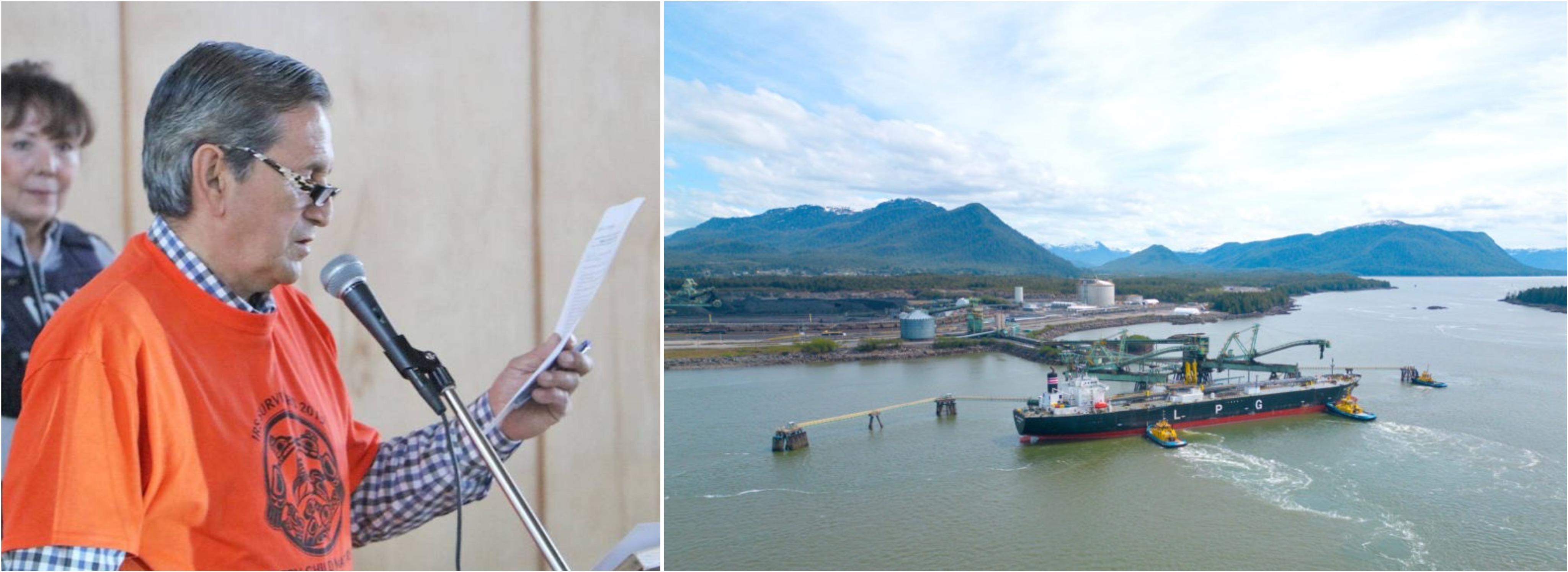
To drive home the seriousness of its claim, on February 4, 2026 the MFN announced what can only be considered the “nuclear option” of Indigenous resource disputes. It claimed it was immediately withdrawing its previously granted consent for REEF’s LPG project and would henceforth refuse to consent to any future permits or consultations required by either the PRPA or REEF. The MFN is essentially saying it intends to hold the entire port facility hostage until it gets what it wants. Contract law be damned.
Fair Dealing? Never Heard of It
In a typical fiduciary relationship, a dominant party dealing with a deemed vulnerable and dependent “inferior party”, also known as “the beneficiary”, must always prefer the best interests of the other party to its own. The Crown’s special fiduciary obligation vis-à-vis aboriginals was developed by the courts to address the historic imbalance in bargaining power in Crown-aboriginal dealings regarding treaties and land claims – what have always been considered core aboriginal matters.
The REEF project, on the other hand, is a distinctly modern, sophisticated, commercial bargaining situation. This is, perhaps unwittingly, reflected in the MFN’s legal claim, which alleges that the PRPA wrongfully disregarded the MFN’s “derivative economic rights”. And as the various impact and benefit agreements described above disclose, the band is an experienced player in the Dane-geld business. It had access to top lawyers, accountants and other advisors throughout the consultation period. There is no factual basis to apply a fiduciary principle in this case. The MFN signed business agreements with its eyes wide open and with the benefit of sophisticated, independent legal advice. Basic business morality demands that they stick to the bargain they signed.
Nonetheless, in its lawsuit the MFN claims this fiduciary element of Crown-aboriginal dealings obligated the PRPA to act exclusively in the best interests of the Metlakatla throughout the five years of consultations regarding the REEF project, and therefore sacrifice its own substantial commercial interests. In effect, the MFN is arguing, absurdly, it would seem, that any negotiation involving a Crown-owned entity and a potential native interest must always be resolved to the complete satisfaction of the native party, regardless of the legal consequences or temporal impossibilities.
The MFN lawsuit, for example, asserts that during the early phase of the consultation prior to the creation of Trigon, the PRPA’s duty included imagining that Trigon or something like it might eventually appear on the scene and might want to handle LPG. And that this should have triggered a deal that would have been potentially advantageous to the MFN, if such a thing ever came about. Then, once Trigon appeared and handed a five percent equity share to the MFN, the PRPA’s consultation duty shifted to speculating that Trigon might want to handle LPG and thus figuring out how that could be done so as to provide a benefit to the MFN.
Merely stating the essence of the MFN’s lawsuit in this way reveals the vast unreasonableness of its claims. Nowhere is there any indication that Trigon or the MFN ever wondered about exporting LPG until late 2023, well after the MFN declared it was satisfied with the five-year-long federal consultation process and had accepted its share of REEF’s Dane-geld.
Seemingly to bolster this far-fetched scenario, the MFN has latterly advanced a claim of aboriginal title as well. But the absence of any claim during the consultation period told the PRPA all it could have reasonably known about this issue: that there was nothing to know. Further, given the general understanding of aboriginal rights at the time, it is ridiculous to suggest the PRPA should have considered, let alone dealt advantageously in the MFN’s favour, with the idea that this small First Nation would want to get into the propane-exporting business.
 Honour for all: While Canadian governments are bound by the “Honour of the Crown” in their dealings with native groups, an equivalent responsibility should be expected of Indigenous business interests when dealing with the rest of Canada. Shown, Treaty Number Seven, by Bruce A. Stapleton, circa 1876. (Source of image: Saskatoon Public Library Local History Room/Glenbow-Alberta Archives, NA-40-1; colourization by ChatGPT)
Despite such solid legal logic, however, it seems unlikely the Metlakatla will ever face any negative consequences for their actions. Given other recent B.C. court decisions that defy precedent and common sense, there’s a reasonable chance they’ll actually succeed in rewriting contract law. That is certainly implied by the recent court decision allowing the case to proceed to trial. And the “nuclear” threat to block all subsequent consultations with REEF for possible expansions and other changes could even have a good chance of paying off in terms of additional Dane-geld down the road.
But even if all this is successful in the short-term, what are the long-term consequences of this behaviour? By acting in such a discreditable manner, the MFN – and by extension all First Nations – are undermining their own claims to legitimacy. If one of the main goals of Indigenous reconciliation is to integrate and embed native interests into Canadian economic development, then native partners have a responsibility to act in a reliable and trustworthy manner. To this end, they should regard business contracts to be as sacred and inviolable as the treaties they once signed with the federal government.
If the “Honour of the Crown” is triggered by a signature on parchment, then shouldn’t the “Honour of the Native Community” similarly arise once consultations are concluded and agreements signed? If, instead, the MFN can convince a court that it holds aboriginal title over the export of propane and that such a thing supersedes all normal contract law, then what other legal innovations await potential investors? The invention of new forms of aboriginal title meant to deliver a temporary business advantage to a particular First Nation raises even more uncertainty throughout the resource industry – and puts future projects in peril.
Keep in mind that the players in this dispute include large multi-national corporations with global perspectives. Undermining contract law for domestic resource projects will send another signal to the rest of the world that Canada is not a reliable place to do business. If Indigenous Canadians wish to participate in the broader Canadian economy, they need to accept the rules that have been in place for centuries and which all other participants have already agreed upon. They can’t simply make up their own game.
Correcting this situation – which has implications for all of Canada – will require the efforts of all Canadians. In my many years as a lawyer, I came to realize that my most successful business clients were those whose word was as good as a signed contract. Again, trust is fundamental to prosperity and progress. If native businessmen and businesswomen cannot be taken at their word then it falls to the business community-at-large to push back against this behaviour. The most immediate corrective is to sue over breach of contract, as mentioned earlier. This should be encouraged.
But the rest of society has a role to play as well. All citizens must be able to exercise their freedom to publicly and explicitly criticize discreditable activity, regardless of the race of those engaged in it. Unfortunately, the societal norms of present-day Canada make it nearly impossible to call out this sort of conduct in the native community, particularly by the mainstream media. The Globe and Mail’s coverage of the REEF dispute is illustrative of this reluctance.
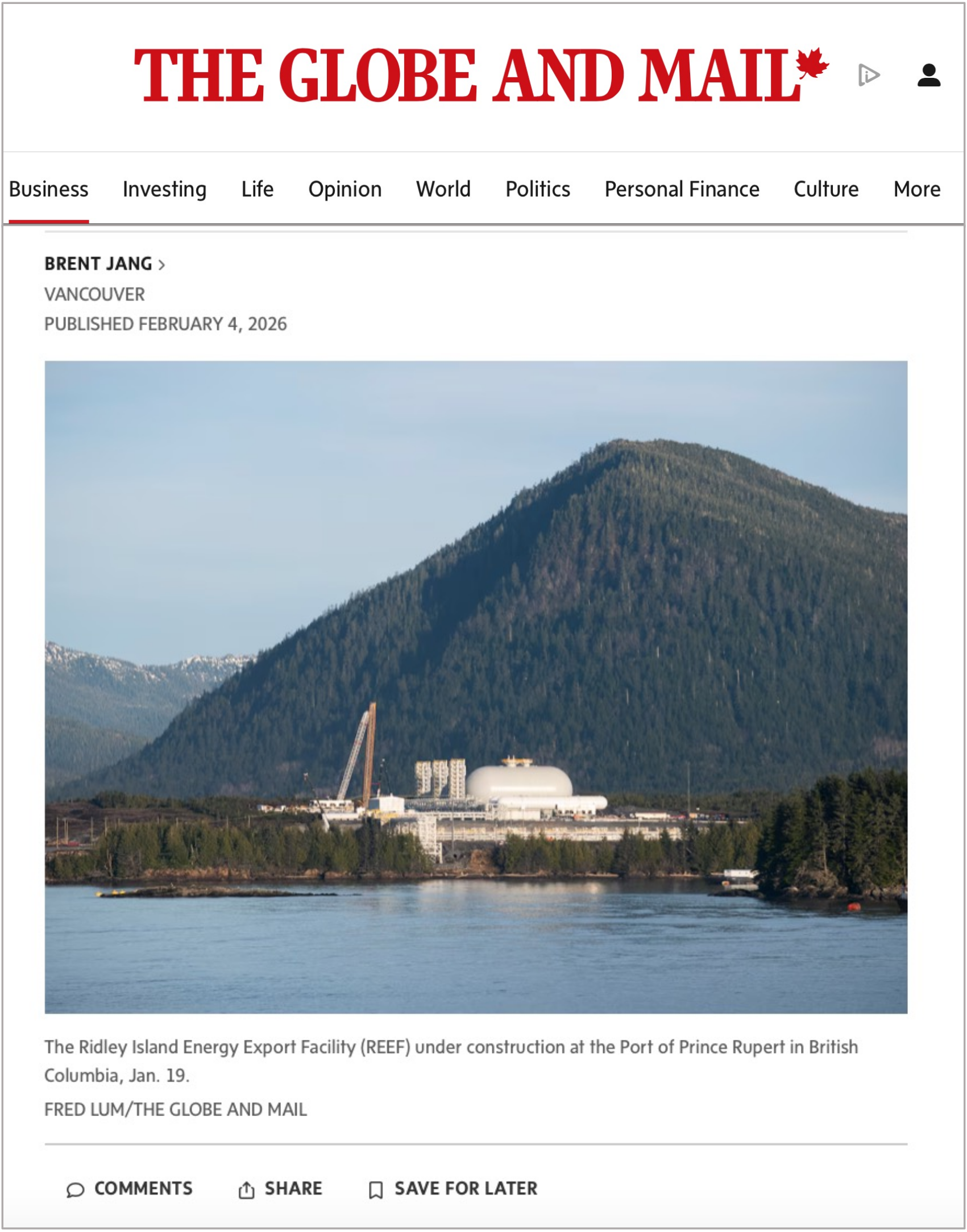 Time for an adult conversation: The Globe and Mail’s coverage of the MFN’s lawsuit chooses not to call out the First Nation’s discreditable behaviour, instead characterizing the dispute as Ottawa having “frozen out” the Metlakatla’s efforts to diversify their income.