Stories

Nota Bene: Dictatorships and Double-Standards

C2C Journal
November 19, 2012
Why too much idealism in foreign affairs was a mistake in 1979 and a mistake now.
Stories

Nota Bene: Dictatorships and Double-Standards

C2C Journal
November 19, 2012
Why too much idealism in foreign affairs was a mistake in 1979 and a mistake now.
Share on Facebook
Share on Twitter

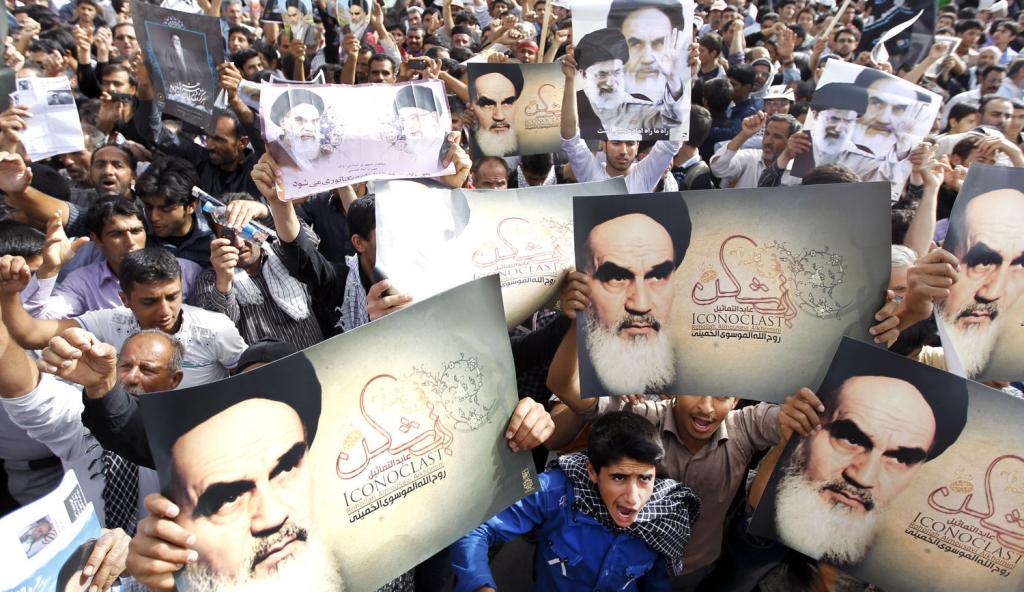
In 1979, Jeane Kirkpatrick, a Georgetown professor and until then, a lifelong Democrat, published a famous essay in Commentary. Kirkpatrick argued that the Carter administration’s policy of undermining autocrats friendly to the West did not, as intended, produce regimes that respected human rights. Instead, we ended up with the Ayatollah in Iran. Thirty-three years later, C2C Journal highlights that essay and with it this obvious question: Are idealistic Western policies and general hopes for the Arab world doomed to disappointment once again?  See  Dictatorships and Double-Standards from Commentary.

Love C2C Journal? Here's how you can help us grow.

More for you

The Day After: How Ottawa’s Clarity Act Could Destroy the Federation It Was Meant to Protect

With Alberta headed for a vote on having a vote on independence, many Canadians may think the threat of separation has evaporated. Or that it’s a long way off. Or that, in any case, Ottawa’s Clarity Act will shut it down and protect the federation. But in the concluding instalment of their series (read Part I here and Part II here), George Koch and Jim Mason explode that delusion. The Act is more likely to increase the “Yes” vote which, they predict, will trigger more political wrangling, more bad faith and bitterness, possible civil unrest and even the province’s annexation by the U.S. The consequences, in other words, are dire no matter which side you’re on.

Too Clever by Half: Why Ottawa’s Clarity Act Helps Neither Side in Alberta’s Separation Debate

The House of Commons once had an effective law in front of it that laid out clear steps to assure that any provincial referendum on independence would be democratic and any negotiations after a “Yes” vote would be fair. But it wasn’t the current Clarity Act – it was a bill put forward by the Opposition Reform Party in 1996, and the Liberal government chose to ignore it. Instead, it passed its own legislation designed to crush support for any subsequent secession movement. In Part II of their series on what the Clarity Act means to today’s debate over Alberta’s future, George Koch and Jim Mason delve into the Act’s origin story and explain why it’s so blatantly stacked in favour of Ottawa – and how that could inflame separatist sentiment and undermine the federalist cause.

Canada’s Other Productivity Crisis: The Daily Irritants That Slow Us Down and Sap Our Spirit

Multi-factor verification. Customer surveys. SMS alerts. Endless online check-ins. Technology was supposed to free up our time for better things. Instead, it has created endless obstacles to getting anything done. Plus there’s the constant impact of government regulations and questionable safety measures that further rob us of our valuable time. Peter Shawn Taylor looks at the absurd and annoying ways that 21st-century life ties us up and grinds us down. While some examples seem faintly comical, taken together they comprise what Taylor argues is a micro-productivity crisis of national proportions that is no laughing matter.

More from this author

Letter from the Editors:
Happy Canada Day!

Celebrating the fact of one’s country’s existence, its survival through the adversities of history and its positive or uplifting attributes is a fact of life the world over, even in tyrannies and oligarchies. Nearly everyone can find something to love about the place they call home. Yet this is apparently not the case for many inhabitants of present-day Canada, who claim that what was once the self-described “greatest country in the world” has suddenly become a systemically racist hell-hole. Despite such pressure from the woke mob and their elite enablers, however, the editors of C2C Journal find much that is not merely defensible about Canada, but praiseworthy and downright glorious.

Did Canada’s first immigrants fall from the sky?

Aboriginal grievance and entitlement stories made a lot of news in Canada in June. Prime Minister Justin Trudeau renamed National Aboriginal Day as National Indigenous Peoples Day. He also renamed his office to erase its historic link to Hector Langevin, an architect of the residential schools system. And he gave the old American embassy in Ottawa to native groups. Still aboriginal activists weren’t satisfied. So they badgered an apology out of Governor General David Johnston for calling First Nations peoples immigrants. Which left the author of this story wondering, where on or off earth do these insatiably aggrieved activists come from?

The Revolution Eats a Few More of its Own

In 1972 Lou Reed offended conservatives with his hit Walk on the Wild Side, an admiring ode to his transgendered friend Holly, who left Miami as a he and became a she on the way to New York. In 2017 the song has offended progressives as a transphobic example of cultural appropriation. In this article by C2C Staff, the Journal explains what a long, strange trip it’s been from conservative censorship to progressive censorship.