C2C Journal has just released its latest issue: The Last Front Page – The future of journalism and democracy in the post-print world.
Please download the Issue PDF here.


There is no excerpt because this is a protected post.
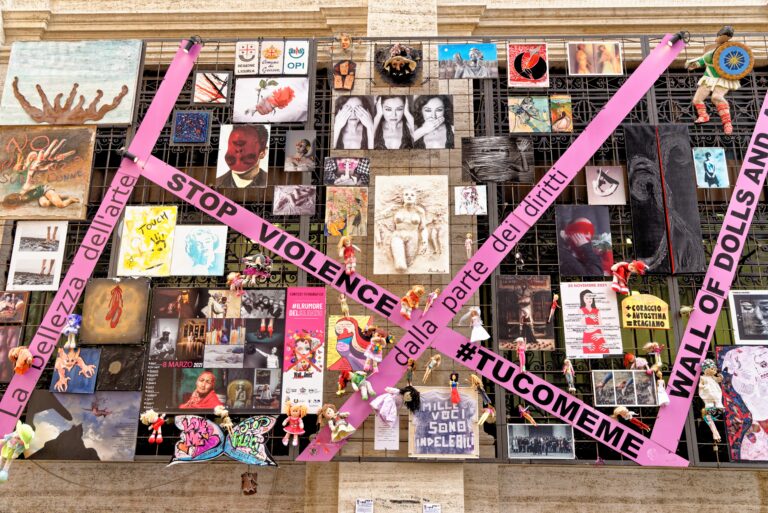
Among the many true things that cannot be said out loud in our era of wokist orthodoxy is that some recent immigrants might be fundamentally different from other Canadians. It’s a taboo that must end if Canada is to avoid repeating the vast wave of sex crimes sweeping across much of Europe. In the concluding instalment of her searing two-part series, Margret Kopala examines the underlying factors behind the horrifying propensity of some recent male migrants to brutalize and sexually assault women in their new country. While many politicians have chosen to turn a blind eye to the problem, Kopala reveals how a popular pushback is finally forcing some Western governments to secure their borders and protect their people. (Read Part I here.)
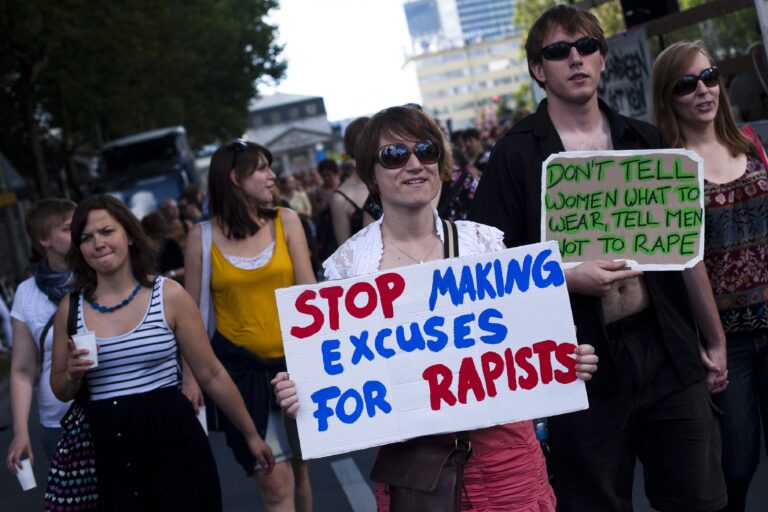
Not long after the horrific October 7, 2023 Hamas attack on Israel, Margret Kopala was walking down an Ottawa street when she was verbally assaulted by a man of obvious Middle Eastern heritage making ugly references about her sex. Drawing a line between her harrowing experience and Canada’s lax immigration policy and law enforcement practices, and drawing upon ample evidence from Europe and the UK, Kopala explores the terrifying correlation between recurring waves of young male migrants and shocking increases in violent crime – especially sexual assault. The implications are both personal and societal. Part I of a two-part series.

Celebrating the fact of one’s country’s existence, its survival through the adversities of history and its positive or uplifting attributes is a fact of life the world over, even in tyrannies and oligarchies. Nearly everyone can find something to love about the place they call home. Yet this is apparently not the case for many inhabitants of present-day Canada, who claim that what was once the self-described “greatest country in the world” has suddenly become a systemically racist hell-hole. Despite such pressure from the woke mob and their elite enablers, however, the editors of C2C Journal find much that is not merely defensible about Canada, but praiseworthy and downright glorious.

Aboriginal grievance and entitlement stories made a lot of news in Canada in June. Prime Minister Justin Trudeau renamed National Aboriginal Day as National Indigenous Peoples Day. He also renamed his office to erase its historic link to Hector Langevin, an architect of the residential schools system. And he gave the old American embassy in Ottawa to native groups. Still aboriginal activists weren’t satisfied. So they badgered an apology out of Governor General David Johnston for calling First Nations peoples immigrants. Which left the author of this story wondering, where on or off earth do these insatiably aggrieved activists come from?

In 1972 Lou Reed offended conservatives with his hit Walk on the Wild Side, an admiring ode to his transgendered friend Holly, who left Miami as a he and became a she on the way to New York. In 2017 the song has offended progressives as a transphobic example of cultural appropriation. In this article by C2C Staff, the Journal explains what a long, strange trip it’s been from conservative censorship to progressive censorship.